
Pokies tips and tricks — and the part nobody selling them wants you to read
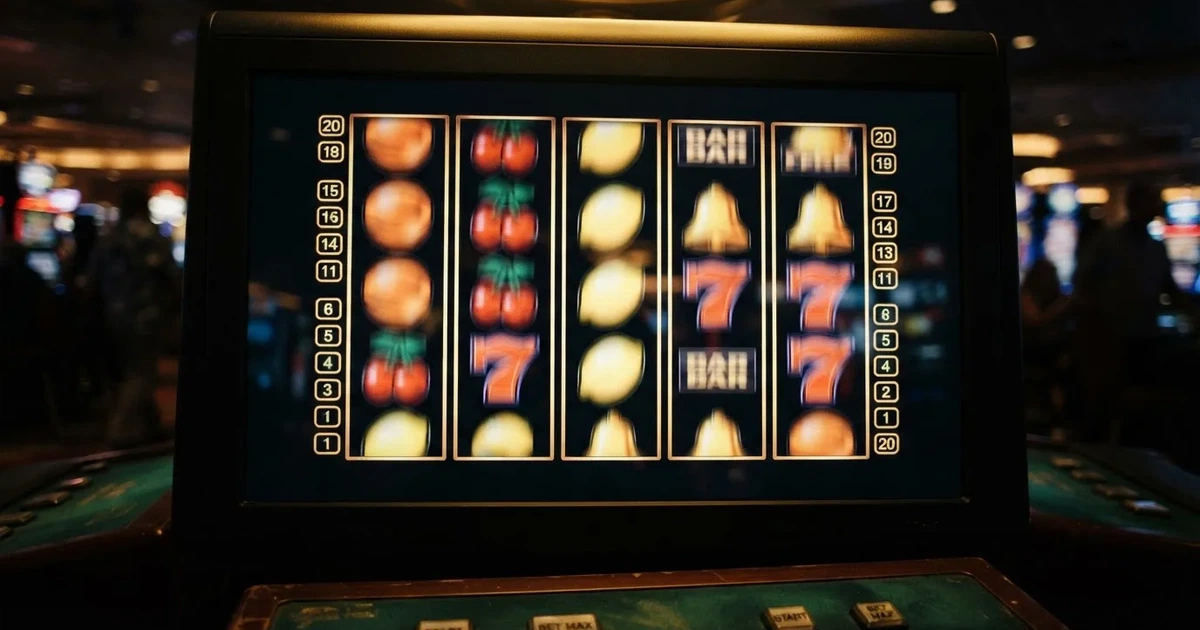
A “pokies strategy” article promises an edge. In practice, what changes a pokies outcome is the machine’s random number generator, which is built so nothing about the previous spin — or the next one — is predictable from outside. That single fact is the reason every genuine tips and tricks page keeps coming back to it. It also frames everything on this page: the strategies themselves, the way Australian law treats the offshore sites that market them, and the support available when play stops being entertainment.
Current as of 29 October 2026 and checked against the ACMA’s published register of formal warnings and blocking rounds.
Table of Contents
- Why “tips” come back to the random number generator every time
- Dragon Link tips — why one title keeps showing up in strategy pages
- What Australian law actually permits, and where the ACMA’s enforcement sits
- The brands the ACMA has warned and what they actually offer
- What this means if you’re searching for an actual edge
- What to do if play has stopped being entertainment
- The maths behind “how often are these sites blocked” — a blocking-rate reading
- What an Australian player actually has available, legally
- How to read a pokies paytable when you find one
- The matrix-row lookups — what each operator row above really tells you
- A note on “calculating” a pokies session in advance
- Pokies tips and tricks: a practical, honest summary
- Recent ACMA action, in plain English, and what it costs the reader
- How the ACMA’s pace has built up over seven years
- A note on the 2026 reform package
- A final word on what “tips and tricks” really means here
- Pokies strategy and the question every “tips” page leaves out
- Frequently asked questions about pokies tips and tricks
Why “tips” come back to the random number generator every time
The maths behind every modern pokies machine — Australian clubs and casinos, and their licensed online counterparts where those exist — runs through a random number generator (RNG). Press the button or pull the lever and the RNG has already picked the outcome for that spin. The reels you watch spinning are a delayed reveal of a decision the machine made the moment you asked for it. Bet size, time of day, how long you have been playing, how many spins ago the bonus last triggered — none of those are inputs to the decision. They never were.

This is the part every “tips to win pokies” article gets wrong, and the part that makes them dangerous to follow. The pattern-recognition instincts a player brings to a pokies screen — “I’m due”, “the machine is cold”, “raise the bet to wake it up” — are the instincts a punter develops on games where some past outcome matters. In pokies, past outcomes are deliberately erased by the design. A machine cannot be due, because the RNG has no memory of any spin except the one it is about to play. The jackpot it paid five minutes ago does not make another one less likely; the bonus feature that triggered last game does not delay the next one because of it.
What this means for a tip that travels well between machines — bet size, betting pattern, bankroll pacing — is that their effect is on how long the entertainment lasts, not on the outcome. A higher denomination spin pays back a higher share in absolute dollars over the same number of spins, on machines where higher denominations are tied to higher minimum return-to-player. Bankroll pacing decides how many spins you get from a fixed budget. Neither one tilts the result of any individual spin.
That is the limit, and it is also the whole story. Anything offered as a trick, hack, or system to beat the RNG is, by definition, an offer to do something a properly certified random number generator is designed to prevent.
What an RNG actually does, stripped of the marketing
The generator inside a certified pokies machine runs thousands of times every second, even when nobody is playing. Each run produces a number; the moment a button is pressed, the machine stops on the most recent number it generated, maps that number to a stop on each reel, and the next spin’s outcome is fixed. Because the next number the RNG picks is unrelated to the one that just decided your last spin, the next spin is independent of the last one. Two spins, played back to back, are statistically uncorrelated.
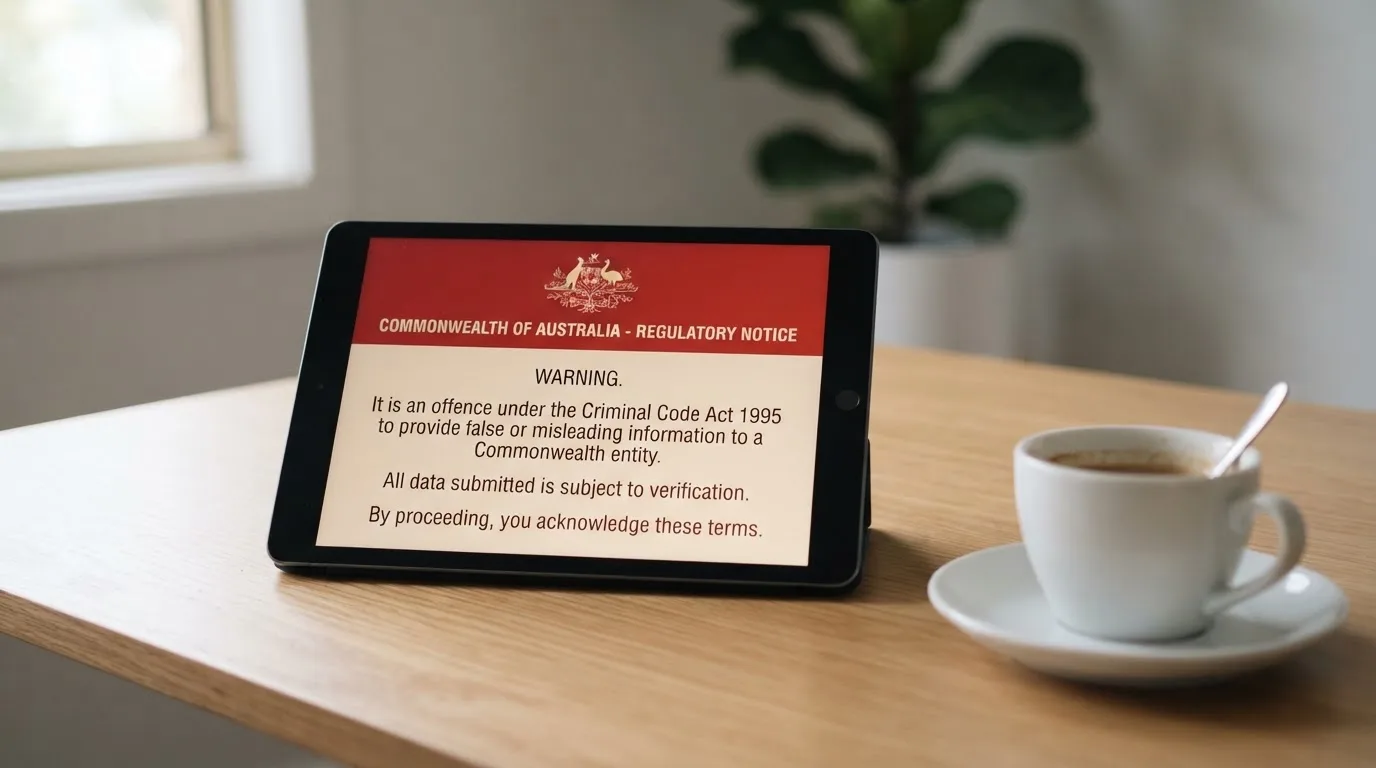
The certification is the part readers miss. Gaming machine random number generators in Australian venues — every state and territory runs its own scheme — must be tested and signed off by an accredited testing facility. The machine on the wall has been torn apart by an engineer who tried to find a pattern in its outputs and failed. That is the standard the regulator cares about. It is the standard every “inside trick” claim implicitly argues it can beat.
Where bet size genuinely matters — and where it doesn’t
Bet size has two effects on a pokies session, and only one of them is the one a punter can feel. The felt effect is that higher bets return more per spin — a fixed coin denomination on a line-pay machine pays each credit you staked that credit’s worth. The second effect is structural: on many machines, the minimum return-to-player rises with the credit value played, and the progressive jackpots that drive the biggest wins often require the maximum bet to be eligible.
What bet size never changes is the shape of the distribution underneath. A A$1 spin and a A$0.01 spin run on the same RNG using the same internal paytable, just scaled. The A$1 spin returns more in absolute dollars because each outcome is multiplied by 100; the long-run share of the wager returned is set by the paytable, not by the player.
For Australian land-based machines, the minimum return-to-player is set state by state. New South Wales, the Northern Territory and Queensland set 85%; the Australian Capital Territory and Tasmania set 87%; South Australia 87.5%; Western Australia 90% at Crown Perth. Crown Melbourne sits at 87%. These are the floors a regulator permits the manufacturer to write into the machine. The maths of any one session can be far below or far above them; the long-run average the machine is built to deliver cannot be.
Dragon Link tips — why one title keeps showing up in strategy pages
Dragon Link keeps surfacing in “tips to win pokies” pages for a reason that has nothing to do with the game being easier to beat. It is the Aristocrat slot family that runs across the most Australian venues and has run there the longest, which is why it carries the deepest pool of marketing pages and forum threads compared with any specific title. The same applies to Buffalo, Lightning Link and the Queen of the Nile family. Where the tip sheet names a single game, the marketing has caught up with where Australians already spend.
Why a Dragon Link tip can read differently from a general tip is also straightforward: Dragon Link’s hold-and-respin bonus, the pearl-collection mechanic that powers its biggest wins, is a public feature with known mechanics. The tip-page copy can describe what triggers the bonus, what each pearl’s value does, and what the “extra balls” feature costs the player’s bet. None of that description changes the fact that each round of the bonus is decided by the RNG on each new ball the machine ejects.
What is genuinely useful on a Dragon Link tip page — and what most of them do not bother to spell out — is cost. A standard hold-and-respin bonus on Dragon Link starts with three free spins on a reduced reel set; the player who filled the screen pays for each additional ball at the cost of those free spins. Running down the round costs more than starting it. A player who knows the difference stops the round sooner; a player who chases one more pearl pays for the privilege of doing so.
What Australian law actually permits, and where the ACMA’s enforcement sits
No Australian state or territory licenses an online casino to provide real-money pokies or other casino games to a person physically in Australia. The Interactive Gambling Act 2001, tightened by the Interactive Gambling Amendment Act 2017, makes it an offence to provide those services to a person in Australia. The licensed Australian online wagering market is race and sports betting (placed before the event), lotteries and keno — not pokies, not online roulette, not live-dealer blackjack. The Northern Territory Racing and Wagering Commission is the body that does most of that licensing: 52 of Australia’s online bookmakers, including Sportsbet, Bet365 and Ladbrokes, hold Territory licences, with the commission itself a small body that meets once a month in Darwin and has no full-time staff.
Enforcement sits with the ACMA. The authority investigates complaints, issues formal warnings to operators, and directs Australian internet service providers to block sites. By the round reported on 26 June 2026, the ACMA had asked ISPs to block 1,751 illegal gambling and affiliate marketing websites since the first blocking request went out in November 2019, and more than 230 unlicensed services had voluntarily left the Australian market since enforcement ramped up in 2017. The twelve sites in that June round were 7Signs, ChromaBet, Donbet, Duospin, Freshbet, Slots Gem, Jacks Club, Lucky Start, Pointsbetz.com, Spinrise, Vinyl Casino and Wildsino.
A site’s licence is not the question the IGA turns on. A Curaçao-issued certificate, an Anjouan licence, or any other offshore regulator’s stamp does not turn a prohibited service into a permitted one for an Australian customer — the prohibited service is the one offering online casino games to a person physically in Australia. The offshore site is licensed somewhere; it is not licensed for Australians. What it gives an Australian who signs up is no local consumer protection, no Australian complaints body, and no recourse if a withdrawal is refused, because the regulator that licensed the site is overseas, the operator’s registered office is overseas, and the money is on an offshore platform. The site can also be blocked by Australian ISPs while a balance sits there.
The formal warning register — what each entry means
A formal warning from the ACMA is a published notice that an operator has been found offering prohibited interactive gambling services to customers in Australia. It is not the same as a blocking request, and it is not the same as a prosecution: it is the regulator’s flag that it has decided the activity is prohibited, has identified the operator and brand, and has published that finding so future customers can see it. A site that receives a formal warning and continues to take Australian deposits is choosing to keep doing so in public.
A blocking request is a step further: the ACMA asks Australian ISPs to make a prohibited site unreachable for Australian customers, which is what the eleven-page blocking history of 1,751 sites has built over seven years. The published warnings and the published blocking rounds are two halves of the same response, and a brand appearing on both lists is one the ACMA has chased twice.
Recent ACMA actions against operators marketing pokies tips and tricks
The ACMA’s published warning register is the only public record an Australian player can check against, which is why it matters to keep it current. Over the twelve months the page has been refreshed for, the authority has issued a steady stream.
In February 2025 the ACMA warned EOD Code SRL over Instant Casino. In March 2025 and again in May 2025 it warned Dama N.V. — the operator behind an earlier round of brands — over Woo Casino and Spirit Casino respectively. In April 2025 the warning went to Sterplay Holding Ltd over Casino Intense. In July 2025 the warnings went to Bamboo Media over Ignition Casino and to Consolutetish S.R.L. over National Casino and Bizzo Casino — the latter already the subject of a 2022 warning to TechSolutions (CY) Group Limited and TechSolutions Group N.V. In March 2026 the warning went to Pulsup Ltd over Rocketplay.com.au. In April 2026 the warning went to Ryker B.V. over Jackbit and CasinOK.
That is roughly one new formal warning per month against a specific operator for offering prohibited casino services, on top of the rolling block list. The pattern is not slowing down.
What the law does not do — the part every tips page glosses over
The IGA prosecutes the provider, not the player. An Australian who signs up, deposits and plays at an offshore casino is not personally committing an offence under the IGA. What the player loses, by signing up, is the protection Australian-licensed services are required to provide — segregated player funds, identity-verified withdrawals, an Australian complaints body, advertising that the ACMA has reviewed for misleading inducements. None of those protections travels to an offshore site with the player.
It is also worth noticing what the law restricts on the payment side, because the same rules that prohibit online casino play also prohibit paying for it by certain means. Since 11 June 2024, credit cards, credit-related products and digital currency cannot be used to fund a licensed online wagering account in Australia, with penalties up to A$247,500 for operators who take them. A site asking an Australian customer for a credit card or a crypto deposit is, by definition, not the licensed Australian wagering market. It is operating outside Australian rules.
The brands the ACMA has warned and what they actually offer
The brands in this section are ones the ACMA has issued a formal warning over for offering prohibited interactive gambling services to Australians. They are presented in the ACMA’s own order of publication. They are not ranked, recommended, or endorsed as places to play. The descriptions below are deliberately narrow: what is known about the operator behind each brand, when the warning was issued, and what that warning covers.
| Brand | ACMA action and date | Operator named by the ACMA | Subject support |
|---|---|---|---|
| RocketPlay | Formal warning, March 2026; earlier to Dama N.V., May 2022 | Pulsup Ltd; Dama N.V. | — |
| Level Up Casino | Formal warning, May 2022 | Dama N.V. | bggaming listings describe this as a BGaming title partner |
| Woo Casino | Formal warning, March 2025 | Dama N.V. | — |
| Spirit Casino | Formal warning, May 2025 | Dama N.V. | — |
| National Casino | Formal warning, July 2025 | Consolutetish S.R.L. | Wikipedia notes this brand’s presence in coverage of Australian gambling |
| Bizzo Casino | Formal warning, July 2025; earlier to TechSolutions, 2022 | Consolutetish S.R.L.; TechSolutions (CY) Group Limited and TechSolutions Group N.V. | — |
| Ignition Casino | Formal warning, July 2025 | Bamboo Media | — |
| Instant Casino | Formal warning, February 2025 | EOD Code SRL | — |
| Jackbit | Formal warning, April 2026 | Ryker B.V. | — |
| Casino Intense | Formal warning, April 2025 | Sterplay Holding Ltd | ABC News and the ACMA register list this brand in their Australian gambling coverage |
| Sky Crown | Formal warning, September 2022 | Hollycorn N.V. | — |
Two patterns show up the moment the register is read across. The first is operator churn: Dama N.V. was warned in 2022 over six brands, then warned again in 2025 over two more of them, and the Rocketplay.com.au brand has surfaced under a fresh operator — Pulsup Ltd — in 2026. The same brand can change hands while keeping its skin. The second is jurisdictional drift: TechSolutions was warned in 2022 over Bizzo Casino, Consolutetish S.R.L. was warned over the same brand in 2025. The certificate on the footer of a site does not tell you whether the ACMA has chased that brand before.
For each brand below, the verdict in plain terms: there is no Australian-licensed way to play real-money pokies through any of them. Everything else the operator may advertise — its licence, its paytables, its RNG certification — is irrelevant to whether an Australian customer can do so legally.
RocketPlay. ACMA-warned under Dama N.V. in May 2022 and again under Pulsup Ltd for the .com.au iteration in March 2026. The change of operator at the Australian endpoint over four years is the first thing a player notices: the same brand has passed between two different offshore companies and picked up a second warning in the process. Verdict: a brand that has attracted two formal warnings in four years is one where the ACMA’s view of the activity — not licensed for Australians — has held steady while the operator has not. There is no version of this brand an Australian can join under Australian protection.
Level Up Casino. ACMA-warned under Dama N.V. in May 2022. The site’s background listings refer to BGaming as a content partner, which is an industry-level statement about which studios supply games, not a recommendation about where to play. Verdict: a 2022 warning that has not been lifted or appealed means the brand is on the ACMA’s list of operators that have been told, in writing, that the service is prohibited for Australians. The warning does not age out.
Woo Casino. ACMA-warned under Dama N.V. in March 2025. The 2025 date — three years on from the original Dama N.V. warning — puts this in the same pattern as Spirit Casino: a brand under the same operator as six earlier-warned brands, picking up a second cycle of attention. Verdict: a brand with a fresh ACMA warning is, by definition, the brand the regulator considers to have kept offering prohibited services after the previous round. The pattern is the point.
Spirit Casino. ACMA-warned under Dama N.V. in May 2025. Verdict: as above, the fresh warning is the signal that the operator chose to continue rather than to leave. There is no record of the warning being lifted.
National Casino. ACMA-warned under Consolutetish S.R.L. in July 2025. Verdict: a 2025 warning means the ACMA found the service offering prohibited casino games to Australians recently enough that the public register is the freshest record. The brand has no other Australian-licensed history because no brand on this list does.
Bizzo Casino. ACMA-warned under TechSolutions in 2022 and again under Consolutetish S.R.L. in July 2025. The earliest warn-once-and-stop example on this list, except that the brand didn’t stop — it changed hands and was warned again. Verdict: an operator that has been warned at least twice in four years, under two different licence holders, is one the ACMA has pursued across a transfer. The brand is still on the register.
Ignition Casino. ACMA-warned under Bamboo Media in July 2025. Verdict: the same logic — a 2025 warning is a recent decision, not a stale one. There is no Australian-licensed version of Ignition Casino to consider.
Instant Casino. ACMA-warned under EOD Code SRL in February 2025. Verdict: a February 2025 warning is one of the older 2025 entries on this list but still recent enough that it post-dates the bulk of the post-2017 enforcement. A brand warned this recently has not, on the public record, had the warning lifted.
Jackbit. ACMA-warned under Ryker B.V. in April 2026. Verdict: a warning issued in the ACMA’s most recent round of action this register covers, alongside CasinOK under the same operator. The combined warning on one operator over two brands is the way the ACMA chases brands that share a back office.
Casino Intense. ACMA-warned under Sterplay Holding Ltd in April 2025. Verdict: a 2025 warning under a relatively distinct operator name — Sterplay Holding Ltd is not a name that recurs across the rest of the register — which makes this entry a useful counter to the “same operator keeps reappearing” pattern. The point is that operators do not have to be the same company to attract the same regulator response. Prohibited service is prohibited service.
Sky Crown. ACMA-warned under Hollycorn N.V. as published in September 2022, alongside a parallel warning over Blue Leo under the same operator. Verdict: a 2022 warning marks this as the oldest active entry on the register the page covers. A warning that has stood for over three years without being lifted is one the ACMA has not corrected, appealed, or withdrawn — and the regulator’s published position therefore remains that the service is prohibited.
Reading across all eleven, the only consistent finding is the one research started with: every brand on this register is offering a service the IGA makes it an offence to provide to a person in Australia. They share that finding regardless of who owns them, where they are licensed, or what their marketing says. A “pokies tips and tricks” page that names one of them as somewhere to apply the strategy is, in effect, redirecting the reader to the category the ACMA has been publishing warnings about for nearly a decade.
What this means if you’re searching for an actual edge
The starting point is honest. Random number generators are designed so there is no edge a player can build from outside the machine. Every tip that survives this filter does its work on a different axis: how long the entertainment lasts for a given budget, how the bonus features pay, how the cost of play compounds over a session. That is what a tips and tricks page is honest about when it is honest.
What it cannot honestly do is treat an offshore casino’s bonus as a free edge. The bonus is a marketing expense funded by the same RNG-certified paytable the un-bonused spins run on, plus a set of terms about how the bonus turns into withdrawable cash that the operator sets. A headline bonus of A$1,000 with a 40x wagering requirement on the bonus amount asks the player to feed A$40,000 through the wagering requirement before any of the bonus cash is theirs to withdraw. None of those spins is decided by anything other than the RNG — the bonus simply extends the time the RNG has to do its work, and the house edge does the rest. The longer the session, the closer the realised return drifts to the long-run average, which is below 100% on every pokies machine any regulator has ever certified.
The honest conclusion is also the smaller claim: a pokies tip is, at best, a session management tool. Bankroll pacing — decide in advance what you’re willing to lose, stop there — is the only advice on this page that has a measurable effect on a session. Anything else is selling either the wrong solution or the wrong destination.
What to do if play has stopped being entertainment
The earlier section on Australian law describes what BetStop, the National Self-Exclusion Register, does and does not cover. BetStop binds Australian-licensed online and phone wagering services — sports and race betting, lotteries and keno. It does not, and structurally cannot, force an offshore casino to honour a self-exclusion request. An Australian player who has registered with BetStop but continues to receive marketing from offshore operators is being marketed at by services that have no relationship with the Australian register. Removing the marketing is a matter of contacting each operator directly and following their internal opt-out process, which is rarely reliable.
The Gambling Help Online service runs the National Gambling Helpline on 1800 858 858, free of charge, 24 hours a day, with a chat function on its website. The helpline covers every gambling product an Australian can reach, including offshore casino play, and offers financial counselling, peer support and referral to face-to-face services. Where a “pokies tips and tricks” search has become something the searcher no longer wants to make, the help line is the first call. The next is the person’s own decision about whether the offshore account gets closed — and most of them can be, by writing to the operator and asking.
The maths behind “how often are these sites blocked” — a blocking-rate reading
The ACMA’s June 2026 round pushed the running total of illegal gambling and affiliate marketing websites blocked since November 2019 to 1,751. That is the start date the ACMA itself uses; before it the IGA’s blocking power was in place but the formal round-by-round disclosure had not started.
A rough rate: 1,751 sites blocked over roughly six and a half years from November 2019 to mid-2026 works out to about 270 blocks per year, or roughly 22 per month. The actual flow has not been even. The earliest years of the disclosure regime produced fewer rounds with smaller lists; the post-2022 rounds, once the ACMA settled into a more public cadence, produced double-digit rounds in several months. The headline figure is also why “block count” is the wrong metric to read on its own: the ACMA’s blocking requests cover illegal gambling sites and illegal affiliate marketing sites together, and the latter is the bulk of the list in some rounds.
What this rate tells a reader: the channel Australians have to reach an offshore site — the routing table Australian ISPs enforce — is being trimmed continuously, and a site a reader could reach this week may be unreachable next month without warning. A site that holds an Australian player’s balance at the moment of a blocking round has no recourse route for the player whose funds it is holding. That is the practical shape of the 1,751-block number.
What an Australian player actually has available, legally
What an Australian can do legally on a pokies machine, the page has been describing above: walk into any licensed club, pub or casino in the relevant state or territory and play a regulated, certified machine with a regulator-set minimum return-to-player, an operator bound by state-level advertising rules, and a complaints path to the state regulator. The four-corner rule a club applies — no minors on the floor, RIDs scanned at the door in some states, mandatory pre-commitment cards in Tasmania from late 2025 — is the consumer protection that comes with the prohibition on online casino games.
What an Australian cannot do legally is what this page keeps coming back to: play a real-money online pokies game through an offshore site. The offshore licence does not convert the activity into a permitted one, and the ACMA has now blocked 1,751 sites and issued dozens of formal warnings in pursuit of that point. Every “tips to win pokies” page that names an offshore site is, whether it says so or not, sending the reader toward a service the ACMA has repeatedly stated is prohibited for Australians.
The non-online alternative for testing any pokies-related tip the reader actually wants to test is the licensed land-based venue. A player who wants to know whether a bankroll-pacing technique survives a real session can run one at the local club, where the cost is bounded by the wallet, the session is bounded by the venue’s hours, and the regulatory backstop is an Australian state body. The strategies that survive this setting are the only ones worth bringing forward.
How to read a pokies paytable when you find one
Paytable pages survive “tips to win pokies” marketing because they describe the maths without promising an edge. A machine’s paytable is published in the venue and in the regulator’s machine approval record; it tells the player the denominations, the line pays for each combination, the bonus feature’s triggers, and the minimum return-to-player the machine was approved to deliver. None of these change the long-run house edge.
What a paytable does tell a player is whether the bonus feature is bet-sensitive. Some Dragon Link variants, for example, gate the hold-and-respin bonus on a maximum-line bet. A player who plays fewer than the maximum lines will trigger the bonus less often or miss its most lucrative jackpots. Other machines run a single denomination only, where the rule does not apply. The paytable is where the rule is published; reading it costs the player nothing and tells them which bets the game is built to reward. Whether a maximum-bet bonus pays better on average than a single-line one is the kind of question the publisher of the paytable can usually answer in their game information sheet.
The matrix-row lookups — what each operator row above really tells you
The table in the previous section is the operator-set the page was given to cover. The columns are: brand, the ACMA action and its date, the operator the ACMA named, and what — if anything — research could confirm about which content the brand is listed against. The last column is empty for most rows on purpose. The brand-by-brand subject-support column exists because the regulator’s register does not tell a reader what game content the operator is offering, and that information has to come from somewhere else; in most cases research could not confirm it.
The pattern the table reads as is what matters most: a row is mostly green across the first three columns (warning, date, operator named) and mostly empty across the last one. The reader’s takeaway is that the ACMA has extensive public information about who these sites are and when they were warned, and only sparse public information about the games and providers behind them. That is its own statement about the visibility of the market.
A note on “calculating” a pokies session in advance
Every pokies session’s outcome is fundamentally uncomputable in advance. The RNG is certified not to be predictable from outside; the paytable is published; the minimum return-to-player is regulator-set. What a player can plan in advance is the envelope. A budget that lets the player stop when it is gone, set before the session starts, is the only calculation the page can honestly endorse.
What the marketing copy of an offshore site calls “calculating your pokies session” usually means working out how much bonus you need to wager through, how many spins that takes at your chosen bet size, and what the long-run house edge works out to in dollar terms over that span. The arithmetic is real. The framing assumes a session that runs to completion — the wagering requirement finishes, the bonus turns into cash — and that is not what most sessions look like in practice. A session that ends early, with a partial wagering requirement still to clear, loses the bonus and any wins that came from it under most operators’ terms. The “calculation” the marketing recommends is therefore one that overstates the upside for a typical session. The conservative envelope — fixed total spend, fixed upper limit — is the one that survives contact with the published paytable.
Pokies tips and tricks: a practical, honest summary
What an Australian reader actually wants, after working through this page, is a short list.
Read the paytable before you play. It tells you what the game is built to deliver; the regulator has approved it as described, and the description is on the wall.
Set a budget in advance. Decide the most you’re willing to spend before the session starts and stop at that number. The RNG’s long-run average is built so it will return less over time; the budget is what the player controls.
Treat “tips to win pokies” as advertising. The strategies sold on offshore sites that market themselves to Australians are sold by services the ACMA has warned or blocked. The marketing wants the deposit, not the win.
Know what BetStop does and what it does not. BetStop covers Australian-licensed wagering services; offshore casinos are outside it. A self-exclusion register an Australian player can join does not, on its own, touch an offshore account.
Use the helpline if play has stopped being a choice. 1800 858 858, free, 24/7. The conversation is confidential and the service is independent of every operator named on this page.
That is the list. Nothing else on the page is a tip worth taking, and nothing else on it is one an offshore casino will thank the reader for reading.
Recent ACMA action, in plain English, and what it costs the reader
The ACMA’s enforcement against offshore casino sites serving Australians has run for the better part of a decade. What the formal warnings and blocking rounds actually cost the reader is the practical question, and it is worth answering in plain terms.
The first cost is invisibility. A site the ACMA has blocked is not reachable through a normal Australian connection; the ISP has been directed to drop the request. Players who try to reach it through the affected routes see a blocked page or a timeout. The site may still be reachable through technical workarounds, and the ACMA does not police those, but the cost of access is no longer zero.
The second cost is no protection. The Australian consumer law that covers Australian-licensed services does not extend to an offshore casino. A withdrawal refused, a bonus dispute that ends without an answer, an account closed with no explanation — none of those is a complaint an Australian regulator can take up, because the regulator did not license the operator.
The third cost is that the formal warning register is published, and every reader who reaches an offshore site can see it. A site that the ACMA has warned — and on which it has been told the service is prohibited for Australians — does not, on the public record, then reclassify itself. It keeps taking Australian deposits on a service the regulator has already said is unlawful to provide.
The fourth cost is the credit-and-crypto rule. Since 11 June 2024, funding a licensed online wagering account with a credit card or digital currency is prohibited, with penalties up to A$247,500 for the operator. Offshore casinos by definition are not licensed Australian wagering services, so they are free to take credit and crypto deposits, and the distinction is exactly what the rule is built around. A site that accepts a credit card deposit from an Australian is, by virtue of accepting it, operating outside the Australian rules.
How the ACMA’s pace has built up over seven years
The 1,751-block total and the dozen-or-so formal warnings a year sound like a slow escalation, but they are a slow escalation by design. Each round needs legal justification, an identified operator, and an ISP that can be directed to comply. The work behind each blocking request is a file of investigation, a finding of breach, and a written direction to carriers — the kind of legal procedure that does not scale by volume.
What the cadence has done is build up a public register. An Australian player who can name a brand from this page can find it on the ACMA’s register in a few clicks, the same register the ACMA updates each time a round closes. The register is what an offshore site’s “we are licensed in place” claim has to be checked against, and a check that finds the brand on the register settles the question for the Australian reader. The offshore licence is real; the Australian side of it is prohibited, and the register is the document that says so.
A note on the 2026 reform package
The Interactive Gambling Amendment (Gambling Reform) Bill 2026 passed Parliament on 19 August 2026. Its advertising and inducement measures are scheduled to commence on 1 January 2027 — that is, this reform is law with a start date. The transition window matters to a “pokies tips and tricks” page because the rules around inducements — the headline bonuses, the “free spins” promises, the matched-deposit offers — are the marketing copy the page has been describing throughout. A 2027 effective date means these measures are not yet in force on a 2026 page, and the prohibitions they will tighten are already the ones the IGA has been enforcing. The reform narrows some inducement-ground slots rather than opening new ones for players.
A final word on what “tips and tricks” really means here
A reader who has reached this point has read about randomness, about the law, about the regulator, about the brands the regulator has acted against, about the maths of a typical session, and about the support available when play stops being entertainment. None of that is a tip in the marketing sense of the word.
The only honest reason a “pokies tips and tricks” article like this one exists is to make plain that the marketed tips do not beat the RNG, that the sites selling them are not licensed for Australians, and that the body’s long-run outcome cannot be moved by anything the player does at the screen. Everything else is decoration. The remainder of the page — the responsible gaming section, the helpline, the budget advice — is where the article actually intends to leave a reader who came here to win.
Pokies strategy and the question every “tips” page leaves out
What every pokies tips and tricks page leaves out, and what this page has been answering throughout, is the same point: an “edge” over a properly certified random number generator cannot be created from outside the machine. The marketing pages that promise one are either selling a session-management technique (real) repackaged as a winning system (not real), or they are selling a deposit at a site the ACMA has warned or blocked (not licensed for Australians). The page above has tried to make both points cleanly enough that a reader can take the first and refuse the second.
What every reader takes away is their own call. The page has done what it can by writing the maths and the law in plain terms. The rest is the player’s.
Frequently asked questions about pokies tips and tricks
Do any genuine tips or tricks change the odds on a pokies machine, or is the outcome always random?
The odds on a properly certified pokies machine are set by the RNG and paytable the regulator approved. No betting pattern, bet size or timing technique published on a tips page changes that long-run shape. What a player can control is budget and session length.
What’s different about tips for a specific title like Dragon Link compared with pokies generally?
Dragon Link appears more often in tips pages because it is one of the most widely deployed pokies families in Australian venues, which gives marketing pages more material to work with. Specific title tips usually describe the bonus feature (hold-and-respin with pearl collection) rather than suggesting any way to influence the RNG that drives each spin.
Is there a legal way for an Australian to try out pokies strategies using licensed land-based venues?
Yes — every Australian state and territory licenses pokies in clubs, pubs and casinos. The Interactive Gambling Act 2001 prohibits online pokies for Australians; it does not prohibit play in person at a regulated venue. A budget-bound session at a licensed club is the only legal setting for the strategies a tips page might describe.
How does bet size actually affect the odds on a typical pokies machine, if at all?
Bet size changes the absolute dollars returned per spin and, on some machines, the minimum return-to-player and eligibility for jackpot tiers. It does not change the long-run proportion the paytable returns, and it does not change the independence of each spin from the last.
What do ‘tips to win pokies’ articles usually get wrong about how random number generators work?
The most common mistake is treating past outcomes as inputs to the next spin: “the machine is cold”, “I’m due”, “raise bets to recover losses”. On a certified RNG, the next spin is independent of every previous one. The pattern-recognition instincts such tips promote cannot reach into the machine’s next-number draw.
Why do so many pokies tips pages specifically mention Dragon Link rather than other titles?
Dragon Link is the Aristocrat family with the deepest venue presence and the longest marketing history, which is why it is over-represented in tips pages compared with other titles. The game’s mechanics (hold-and-respin with pearls) are well-documented and easy to describe, even though describing them does not change the RNG’s behaviour on each spin.