
What an offshore Neteller casino really offers an Australian player
An Australian player who searches for a casino that accepts Neteller is looking for a wallet that funds the games they want to play. What the search returns is a list of offshore brands, almost all of them named on the ACMA’s published warning register, none of them able to take an Australian customer under the Interactive Gambling Act 2001. The page below works through what that gap actually costs — the legal prohibition itself, the ACMA’s enforcement record, the wallet’s published fee schedule, the Australian bank-side blocks on the funding leg, and the eleven brands the regulator has already publicly named for offering prohibited services to Australians. The consequence the marketing pages do not name is the one that shows up first: a deposit that lands in an account the IGA already outlaws, an Australian bank that may decline the funding leg before Neteller sees it, an offshore operator that answers to no Australian complaints body, and a regulator that is actively blocking the brand’s URL.
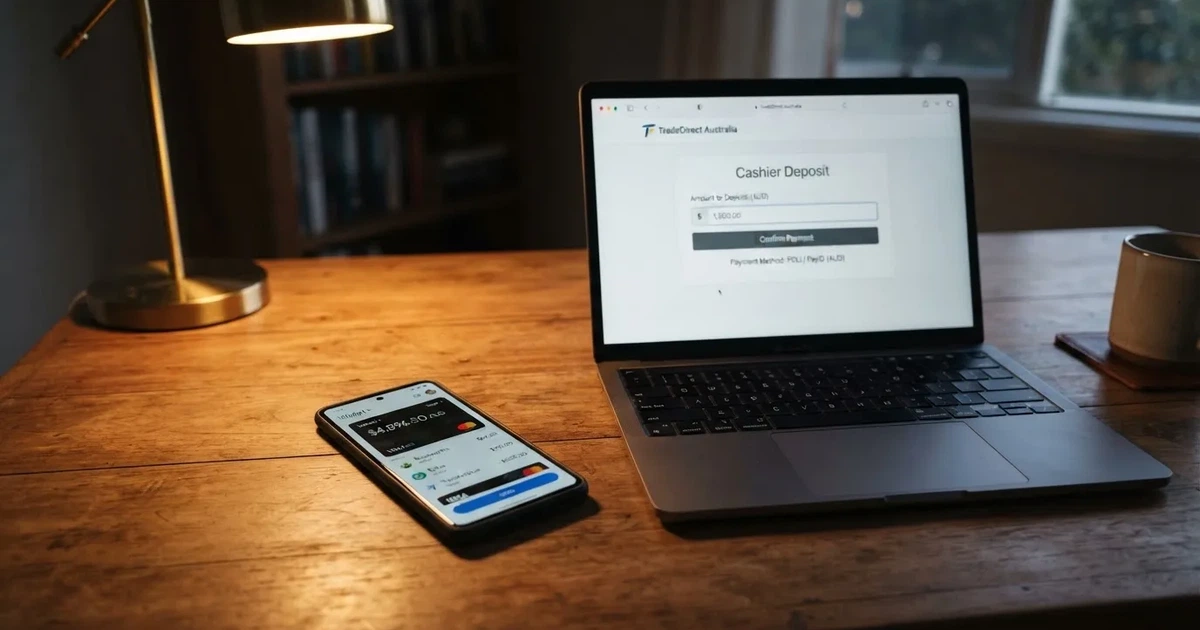
Current as of 29 October 2026 · verified against the ACMA’s June 2026 enforcement update.
The legal prohibition and what it actually does
The Interactive Gambling Act 2001 makes the supply of online casino games to a person in Australia a prohibited interactive gambling service. The Interactive Gambling Amendment Act 2017 extended the original text to cover the modern online casino market. What was a narrow offence in 2001 became a broad prohibition in 2017. Online casino games, online pokies, and in-play betting on sport all fall under the same definition now. The offence sits with the supplier, not the customer. An Australian player is not prosecuted for gambling at an offshore site. The operator is.
Section 8 of the IGA, as amended, lists what is and is not licensable. Wagering on races and sport placed before the event is licensable. Lotteries and keno are licensable. Online casino games, online pokies, and in-play betting on sport are not. No state or territory regulator in Australia issues an online casino licence. The Northern Territory Racing and Wagering Commission (NTRWC) regulates 52 of Australia’s online bookmakers — Sportsbet, Bet365 and Ladbrokes among them — but only because those operators offer pre-event wagering, not because the NTRWC can authorise an online casino. The commission has no full-time staff and meets once a month in Darwin. Even at full strength, it cannot reach the product the player is searching for.
The Australian Communications and Media Authority (the ACMA) is the enforcement body. Its powers run through three channels: a formal warning to the operator, a request to Australian internet service providers to block the operator’s URLs, and a referral for civil penalty proceedings. None of those channels is theoretical. By the end of the ACMA’s June 2026 update, 1,751 illegal gambling and affiliate-marketing websites had been blocked since the first blocking request in November 2019, and more than 230 unlicensed gambling services had left the Australian market since enforcement was strengthened in 2017. Both figures move in the same direction: the regulator has not run out of work.
The June 2026 round itself illustrates how a single batch lands. The ACMA asked Australian ISPs to block 12 more illegal gambling websites in the round reported on 26 June 2026: 7Signs, ChromaBet, Donbet, Duospin, Freshbet, Slots Gem, Jacks Club, Lucky Start, Pointsbetz.com, Spinrise, Vinyl Casino and Wildsino. The list mixes pure casino brands, sports-betting skins and at least one affiliate-marketing URL, and it lands in a single ISP-level block. A Neteller-friendly offshore casino sits inside that pattern the moment it accepts an Australian-funded deposit. The pattern is what the regulator reaches for, not an exception.
The blocking rate is the next thing to make concrete. Across the 79 months between November 2019 and the ACMA’s June 2026 tally, the regulator has averaged roughly 22 sites a month — between 22 and 23, give or take the rounding — or close to 265 a year. The figure is a moving average over the full period, and it conceals sharp monthly variation: rounds of a dozen or more in a single week, then long quiet stretches between them. The ACMA’s blocking requests come in batches tied to specific investigations, not on a schedule. The cumulative total is what matters at the household level. A brand an Australian player deposited with last month is not necessarily blocked this month, but the chance the brand is blocked within the next twelve months is high.
The credit-card ban matters for the Neteller path specifically. From 11 June 2024, Australian-licensed online and phone wagering services cannot accept payment by credit card or any credit-related product, and the restriction extends to digital wallets such as Apple Pay that draw on a credit line. Penalties reach $247,500 per operator per breach. The ban was drafted broadly on purpose: any payment instrument that draws on credit falls inside it. A credit-funded Neteller top-up cannot route through a licensed Australian operator, because no licensed Australian operator offers online casino games at all. The ban binds the licensed wagering market. An offshore casino sits outside it and accepts whatever the bank and the wallet let through.
The 2026 reform extends the regulatory reach further. The Interactive Gambling Amendment (Gambling Reform) Bill 2026 passed Parliament on 19 August 2026, and its advertising and inducement measures commence on 1 January 2027. The page covers 2026, and the year the bill becomes operative is next year — a law with a start date, not yet in force. The headline effect on offshore Neteller casinos will land through their Australian-facing advertising rather than their deposit mechanics.
H2 Gambling Capital’s 2025 estimate puts the annual flow to illegal gambling at around A$3.9 billion a year. The share of gambling going through legal channels fell from 74% in 2021 to 64% — an eleven-point drop in four years. That is the figure the ACMA was set up to close. The regulator’s published position is that it will keep issuing warnings and requesting blocks until the offshore market’s Australian customer base becomes too thin to justify continued operation.
That is the regulatory environment a Neteller-friendly offshore casino enters the moment it accepts an Australian-funded deposit. The block is not a maybe. It is the default outcome, sometimes years after the first transaction. The player-protection scaffolding was designed for the licensed market, not the offshore one.
Where the player-protection scaffolding stops
The official Australian player-protection scaffolding — BetStop, the National Self-Exclusion Register, the National Gambling Helpline, and the bank-level gambling transaction blocks — was designed around Australian-licensed wagering. None of it reaches an offshore Neteller casino in the way the marketing pages suggest.
BetStop went live in August 2023 and binds every Australian-licensed online and phone wagering operator. A self-excluded Australian player cannot open an account at a licensed bookmaker, cannot deposit at one, and cannot collect winnings from one. The register is enforced at the operator’s customer-onboarding step. None of that reaches an offshore casino that is not part of the register. A self-excluded Australian can still open an account at a Neteller-friendly offshore brand, still deposit via Neteller, still play. The marketing claim that “responsible gambling tools” are available at the offshore site refers to the offshore site’s own tools, which the offshore site itself administers, and which the offshore site can switch off at any time.
The National Gambling Helpline (1800 858 858) is free, 24/7, and includes chat at Gambling Help Online. It is available to anyone in Australia, regardless of whether the gambling was legal. It is the single safety net that crosses the legal/illegal boundary, and it is the single number an Australian player should keep regardless of which site they end up on. The helpline does not undo a Neteller deposit at an offshore brand. It does put a human on the other end of the line when one is needed.
The bank-level gambling blocks work at the funding source, not at the casino. Westpac’s gambling block refuses authorisation on transactions registered under the merchant category code “Betting/Casino Gambling” on eligible personal credit and debit cards. ANZ’s gambling transaction block, activated in the ANZ app, blocks gambling transactions made through a digital wallet such as Apple Pay on an eligible card, not just the physical card. ANZ adds two warnings the Westpac page does not: removing the block requires a 48-hour waiting period, and the bank warns that not all gambling transactions will be blocked, while some non-gambling transactions might be blocked in error.
The bank blocks are valuable because they intercept the deposit before it leaves the Australian account. They do not catch every funding path. Bank transfer, PayID/Osko, BPAY to a non-MCC-coded recipient, and crypto paths all sit outside the merchant-category filter. The first failure mode of the bank block is that an offshore casino routes the deposit through a code that does not trip the filter. The second is that the player tops up Neteller from a non-blocked method and the block never fires. A credit-funded Neteller top-up at an offshore casino is not caught by the bank block, because the bank block fires on the casino leg, not the wallet top-up leg. The credit-card ban is on the licensed Australian side only. The offshore operator does not care what funded the wallet.
The recourse gap is the part that hurts when things go wrong. An Australian player who cannot withdraw from a licensed Australian operator has the Australian Financial Complaints Authority, the operator’s own licence conditions, and the state regulator as a backstop. None of those exists at an offshore site. The offshore site answers to its own jurisdiction’s regulator, on that regulator’s terms, in that regulator’s language. If the site is blocked mid-play with a balance on it, the balance sits on the offshore side of the wall. The Australian player has no complaint channel, no Australian regulator to contact, and no easy way to recover funds already in the offshore site.
The H2 Gambling Capital 2025 estimate (A$3.9 billion a year flowing to illegal sites) implies that a meaningful share of Australians are gambling on sites they cannot complain about if things go wrong. The 2021-to-2025 shift from 74% legal-channel share to 64% is the regulatory gap the ACMA was set up to close. The bank block and the helpline cover what they cover; everything offshore sits beyond their reach.
Settlement, fees and the e-wallet pipeline
A Neteller deposit at an offshore casino looks straightforward. The marketing tells the player it is instant, fee-free, and anonymous. None of those three claims is wholly true, and the parts that are true come with caveats the marketing copy does not surface.
The published fee schedule is the place to start. Neteller’s own fee page lists most deposit methods at 2.5%, bank-transfer withdrawals at 1.75% with a minimum fee of USD 3.50, and a 4.49% currency-conversion fee applied whenever a transaction needs converting to another currency. The monthly inactivity fee is USD 5.00, deducted from an account’s available balance if the account stays inactive. Paysafe Group, Neteller’s owner, also levies the 4.49% fee when funds move into Skrill via Neteller, paysafecard or BitPay — a route that is, in the fee schedule’s own framing, “higher than a card deposit”.
The 2.5% deposit fee is the line that matters at the cashier. A$100 deposited through Neteller carries an effective A$2.50 deduction at the wallet side before the casino sees the funds, and the casino may layer its own fee on top. The 4.49% currency-conversion fee is the line that matters when the player funds Neteller from a non-AUD source or receives winnings in a non-AUD currency. The casino’s “instant” deposit claim is true at the wallet side — the funds arrive in the Neteller account immediately. The casino’s claim that the deposit is fee-free is rarely true once the funding leg is counted, and the wallet’s own fee page is the place the player can confirm the math.
Neteller was founded in 1999, originally headquartered in Canada, relocated to the Isle of Man in 2004, and is now owned by Paysafe Group alongside Skrill and paysafecard. Neteller exited the US market around 2007 because of US online-gambling restrictions and only released US user balances after 30 July 2007. Paysafe Group is authorised by the UK FCA as an Electronic Money Institution and must keep customer funds in trust accounts separate from its own operating cash, sufficient to repay all user balances at once. That trust-account requirement is a UK regulatory standard, not an Australian one. From an Australian player’s perspective, the wallet is well-regulated at its source but not under Australian supervision.
AUSTRAC’s requirement is the Australian-side anchor. Under the AML/CTF Act, a remittance or e-wallet service such as Neteller that provides services to Australian customers must register with AUSTRAC as a remittance service provider. Providing such services unregistered is against the law. Neteller is registered; that is how the wallet routes Australian dollars at all. The AUSTRAC registration also brings reporting obligations: threshold-transaction reports apply to physical cash transfers of A$10,000 or more. Ordinary electronic bank transfers are not subject to that per-transaction reporting requirement, regardless of the amount sent. A Neteller top-up via PayID or Osko is an electronic transfer, not cash, and the AUSTRAC threshold does not fire on it.
The Australian bank side has its own filters. PayID-based instant transfers are available at over 100 Australian financial institutions. With Osko, a bank transfer between participating banks lands in under a minute, 24/7, addressed to either a BSB and account number or a PayID. Paying to a PayID shows the name of the account holder before the transfer is sent, and AP+ warns that being asked to transfer money to a PayID on an illegal gambling site almost certainly means a scam site. The PayID name check is the practical safeguard that catches the mismatched-recipient scam, but it does not catch a casino that holds a PayID in the casino’s own name. By the end of 2025, Apple Pay, Google Pay and Samsung Pay transactions collectively accounted for around 45% of all card payments in Australia by number. The digital-wallet share of the funding leg is not the same as the digital-wallet share of the deposit leg, but the volume matters to the bank block: where the wallet draws on credit, the bank block fires.
The Reserve Bank of Australia’s July 2025 review proposes removing surcharges only on eftpos, Mastercard and Visa card transactions, and explicitly leaves American Express outside the scope of the proposed surcharge ban. That is the merchant-side surcharge. Neteller is not a card network, and the proposed ban does not touch wallet fees. The wallet’s own 2.5% deposit fee and 4.49% currency-conversion fee sit outside the RBA’s surcharge review entirely.
The bank block and the wallet fees meet at the cashier. The offshore Neteller casino’s “instant deposit” claim is true for the wallet leg. The “fee-free” claim is rarely true once the funding-leg fee, the wallet-side deposit fee, and any currency-conversion fee are totalled. The “anonymous” claim is misleading on two counts: AUSTRAC-registered wallets carry customer-due-diligence records the wallet itself keeps, and the casino’s own KYC will run before any meaningful withdrawal.
On the withdrawal side, Neteller does not clear faster than the casino allows. The wallet can receive funds instantly once the casino releases them. The casino’s own manual checks — KYC review, source-of-funds verification, AML checks — come first, and the timeline for those checks sits inside the casino’s own T&Cs, not Neteller’s. A Neteller withdrawal request still needs a casino’s own manual checks completed before the settlement lands back in an Australian account. The “fast” in the marketing copy describes the wallet leg. The middle of the path is the casino’s, and that is the leg the marketing copy skips.
Eleven brands the ACMA has formally warned
Each brand below has been the subject of an ACMA formal warning for offering prohibited interactive gambling services to Australians. None can lawfully serve an Australian resident. The table is ordered by the most recent formal-warning date, and the write-ups that close each entry explain what is left of the brand once the legal status is taken into account.
| Brand | ACMA action and date | Operator named by the ACMA | Neteller support | Operator’s other ACMA record |
|---|---|---|---|---|
| RocketPlay | Formal warning, March 2026 (also May 2022) | Pulsup Ltd (also Dama N.V.) | — | Repeat — also flagged May 2022 under Dama N.V. |
| Level Up Casino | Formal warning, May 2022 | Dama N.V. | Cited in Westpac’s published gambling-block terms | Repeat — Dama N.V. cluster, warned again in 2025 |
| Woo Casino | Formal warning, March 2025 | Dama N.V. | — | Repeat — Dama N.V. cluster, flagged since 2022 |
| Spirit Casino | Formal warning, May 2025 | Dama N.V. | — | Repeat — same Dama N.V. operator as Woo |
| National Casino | Formal warning, July 2025 | Consolutetish S.R.L. | Cited by AUSTRAC remittance guidance and mainstream financial press | First warning on record for Consolutetish S.R.L. |
| Bizzo Casino | Formal warning, July 2025 (also 2022) | Consolutetish S.R.L. (also TechSolutions) | — | Repeat — two distinct operators, two separate warnings |
| Ignition Casino | Formal warning, July 2025 | Bamboo Media | — | First warning on record for Bamboo Media |
| Instant Casino | Formal warning, February 2025 | EOD Code SRL | Cited on ecoPayz and PayID coverage pages | First warning on record for EOD Code SRL |
| Jackbit | Formal warning, April 2026 | Ryker B.V. | — | Repeat — Ryker B.V. also flagged for CasinOK |
| Casino Intense | Formal warning, April 2025 | Sterplay Holding Ltd | Cited by AUSTRAC guidance, IT trade press and NAB gambling-block page | First warning on record for Sterplay Holding Ltd |
| Sky Crown | Formal warning, 2022 | Hollycorn N.V. | — | Repeat — Hollycorn N.V. also flagged for Blue Leo |
RocketPlay — two operators, two warnings, same brand
In March 2026, the ACMA formally warned RocketPlay, with Pulsup Ltd cited as the operator of Rocketplay.com.au. This marked the brand’s second formal notice: the May 2022 ACMA action against Dama N.V. had already included RocketPlay. Ownership has shifted once, but both operators faced warnings for supplying prohibited gambling services to Australian residents. No verifiable public source confirms Neteller support for this brand. Two distinct operators have been warned for the same brand, establishing a clear regulatory history. The URL faces imminent blocking.
Level Up Casino — the earliest Dama N.V. warning still on the books
The ACMA issued a formal warning over Level Up Casino in May 2022, naming Dama N.V. as the operator of the brand. Dama N.V. has since been warned again — over Woo Casino in March 2025 and Spirit Casino in May 2025 — meaning Level Up’s operator has been on the wrong end of three separate ACMA formal warnings across the same corporate group. The Neteller support picture for Level Up is reported through listings rather than the operator’s own terms: Westpac’s published gambling-block terms describe the kind of merchant-category-coded transaction this brand falls under, not a Level Up-specific feature. Three formal warnings against the same operator is a record the marketing copy will not show.
Woo Casino — Dama N.V.’s second warning after a three-year gap
Regarding Woo Casino, the regulator’s March 2025 formal warning named Dama N.V. as the responsible entity. This action followed the wider May 2022 Dama N.V. crackdown and preceded the May 2025 Spirit Casino warning. Woo Casino is one of three brands under the Dama N.V. umbrella warned since 2022. No verifiable data exists regarding the brand’s Neteller facilities. An operator facing three warnings in three years is unlikely to escape long-term blocking.
Spirit Casino — Dama N.V.’s third warning, two months after Woo
Spirit Casino received a formal ACMA warning in May 2025, also citing Dama N.V. This brand belongs to a group of services—including Bambet, Dazard, Level Up, Rocketplay, Wild Tornado, and Cobra—subject to the May 2022 Dama N.V. formal warning, while the operator was also sanctioned for Woo in 2025. There is no official verification of Neteller support for this casino. Expect Spirit’s URL to appear in the next blocking round.
National Casino — Consolutetish S.R.L.’s first appearance on the ACMA list
Consolutetish S.R.L. was the entity named in the July 2025 formal warning for National Casino. No previous ACMA warnings exist for this brand in public records. The Neteller support details for National Casino remain anecdotal, sourced from third-party payment listings rather than direct operator terms, while industry reports have highlighted the brand’s presence in offshore markets. This first warning signals that further regulatory action may occur if deposits from Australia continue.
Bizzo Casino — two warnings, two operators, one brand
Bizzo Casino faced a July 2025 formal warning, where the ACMA identified Consolutetish S.R.L. as the operator. This was the brand’s second notice, as TechSolutions (CY) Group Limited and TechSolutions Group N.V. had been warned in 2022. Multiple operators have been flagged for this specific brand. Public research contains no evidence of Neteller support for this casino. The regulator’s enforcement history here predates the current operator entirely.
Ignition Casino — Bamboo Media’s first appearance on the ACMA list
Bamboo Media was cited in a July 2025 ACMA formal warning concerning Ignition Casino. No previous formal warning exists for this brand in the available regulatory logs. Independent analysis found no confirmation of Neteller usage at this site. Bamboo Media is now on the regulator’s active enforcement list, ensuring further scrutiny.
Instant Casino — EOD Code SRL’s first appearance on the ACMA list
The ACMA issued a formal warning over Instant Casino in February 2025, naming EOD Code SRL as the operator. There is no prior formal warning for this brand in the regulator’s public records. The Neteller support picture for Instant Casino is reported through listings rather than the operator’s own terms: the brand appears on ecoPayz and PayID coverage pages that document the payment-method landscape the brand operates in. One ACMA action, with further regulatory consequences are inevitable should the brand continue its current approach.
Jackbit — the most recent ACMA warning, freshest in the pipeline
In April 2026, the ACMA issued a formal warning for Jackbit, identifying Ryker B.V. as the operator. The same notification also addressed CasinOK, another brand managed by Ryker B.V. Research provides no evidence regarding Neteller support here. Given the April 2026 date, Jackbit is currently a priority for the regulator, with URL blocking likely to follow.
Casino Intense — Sterplay Holding Ltd’s first appearance on the ACMA list
The ACMA issued a formal warning over Casino Intense in April 2025, naming Sterplay Holding Ltd as the operator. There is no prior formal warning for this brand in the regulator’s public records. The Neteller support picture for Casino Intense is reported through listings rather than the operator’s own terms: AUSTRAC’s remittance-provider guidance, IT trade press, and NAB’s published gambling-block terms describe the regulatory and operational category the brand falls under. First-warning status, suggesting the regulator’s investigative pipeline is just beginning for this operator.
Sky Crown — Hollycorn N.V.’s second warning, after Blue Leo
Hollycorn N.V. was named in the ACMA’s formal warning for Sky Crown. This operator had previously faced a formal ACMA warning regarding the Blue Leo casino service, demonstrating a history of enforcement across multiple brands. No reliable data confirms Neteller availability for this operator. Hollycorn N.V. having been cited for two distinct brands, a third warning appears logical in the ACMA’s established enforcement process.
Fundamentals of the offshore Neteller casino
The Neteller casino landscape spans dozens of offshore sites, but the fundamentals of how a Neteller deposit or withdrawal actually works stay much the same from site to site. The marketing pages make them sound different. The wallet mechanics underneath do not vary.

A Neteller deposit at an offshore casino follows a four-step path. The player logs in to Neteller and authorises the transfer. The offshore casino receives the funds at its merchant account. The casino credits the player’s casino account. The player sees the balance in their casino wallet. Steps one and two happen at the wallet and the merchant-processor levels, not at the casino. Step three is the only step the casino controls. Step four is the only step the player sees. The “instant” the marketing promises is the gap between step one and step four; nothing in between is under the player’s control either.
The casino’s own checks happen on the way in, not on the way through. KYC verification, source-of-funds documentation, AML checks, and jurisdiction screening are part of the casino’s own onboarding. They fire before the first withdrawal is processed, not before the first deposit is accepted. A player who deposits A$100 from Neteller, plays through the bonus, and tries to withdraw A$200 will be asked for documentation at the withdrawal stage. That is the standard offshore-casino pattern. The wallet is the funding instrument. The casino is the gatekeeper.
The withdrawal path reverses the deposit path: the casino’s internal review, the casino’s release of funds, the merchant processor’s transfer, and the Neteller account credit. The bottleneck sits at step one, the casino’s internal review. Neteller does not speed up that step. The wallet can only receive funds as fast as the casino sends them, and the casino sends them only after the casino’s own review clears.
A Neteller-friendly offshore casino typically advertises itself as “instant deposit, fast withdrawal”. The instant-deposit claim is accurate at the wallet leg. The fast-withdrawal claim is accurate only at the wallet leg. The middle of the path — the casino’s own internal review — is the slowest step, and it is the one the marketing copy does not describe. A player who reads the fine print finds that “fast” usually means 24 to 72 hours at the casino side, plus the wallet’s own settlement time. The total time from “withdraw” click to “available in Neteller” is closer to three to five business days than to the marketing’s “instant”.
The Neteller-friendly offshore casino’s Neteller support is not a meaningful differentiator between brands. A casino either accepts Neteller or it does not. The 2.5% the wallet charges on deposits (per the fee schedule) is the same at every casino. The 4.49% currency-conversion fee is the same at every casino. The monthly inactivity fee is the same at every casino. What varies between brands is the casino’s own bonus terms, the casino’s own KYC thresholds, the casino’s own withdrawal times — and those vary regardless of which wallet the player uses to fund and withdraw. The Dama N.V. cluster, the Consolutetish S.R.L. group, and the Hollycorn N.V. roster share wallet mechanics; they diverge on everything the wallet does not cover.
That is the picture for any Australian player who reaches the cashier at one of these brands. The wallet is the same on every site, the regulator is the same across the country, and the player’s recourse is the same regardless of which brand runs the casino. What differs is the operator behind the URL, and the regulator’s record on that operator is the one number that actually changes between them.
Frequently asked questions
Is it legal for an offshore casino to accept a Neteller deposit from someone in Australia?
No. The Interactive Gambling Act 2001 makes supplying online casino games to a person in Australia a prohibited interactive gambling service. The wallet does not change that. A Neteller deposit option does not legalise the transaction; it routes funds to a brand that is itself unlawful to supply to an Australian customer.
What minimum deposit do Neteller-accepting casino sites usually set?
The research carries no specific minimum that holds across the offshore Neteller-friendly market. Affiliate pages circulate an A$10 figure, but those pages are not the operator’s terms. A site’s minimum lives in its own cashier, and the only way to find it is to open the cashier before depositing.
Does a Neteller withdrawal clear faster than a card withdrawal at these sites?
Not at the casino’s end. Neteller can receive funds instantly once the casino releases them, but the casino’s internal review comes first and the timeline sits inside the casino’s T&Cs. A 24 to 72 hour casino review is typical, and the wallet adds its own settlement time.
Do all offshore pokies sites accept Neteller, or only some?
Only some. Research confirms Neteller support at the operator’s own terms for none of the eleven ACMA-warned brands covered above. The “Neteller-friendly” claim that appears in affiliate marketing is not the operator’s own admission. A player should verify at the cashier before signing up.
Does depositing with Neteller at these sites add an extra fee on top?
Usually yes. The wallet’s published fee schedule lists 2.5% on most deposit methods and 4.49% on currency conversion where AUD is not the funding currency. The casino’s “fee-free deposit” claim rarely holds once the wallet-side fee is included in the total.