Best 5-reel slots in Australia in 2026: the format, the block list and the offshore shelf
 Available in US
Updated 23 September 2026 against the ACMA register of formal warnings and the 26 June 2026 blocking round.
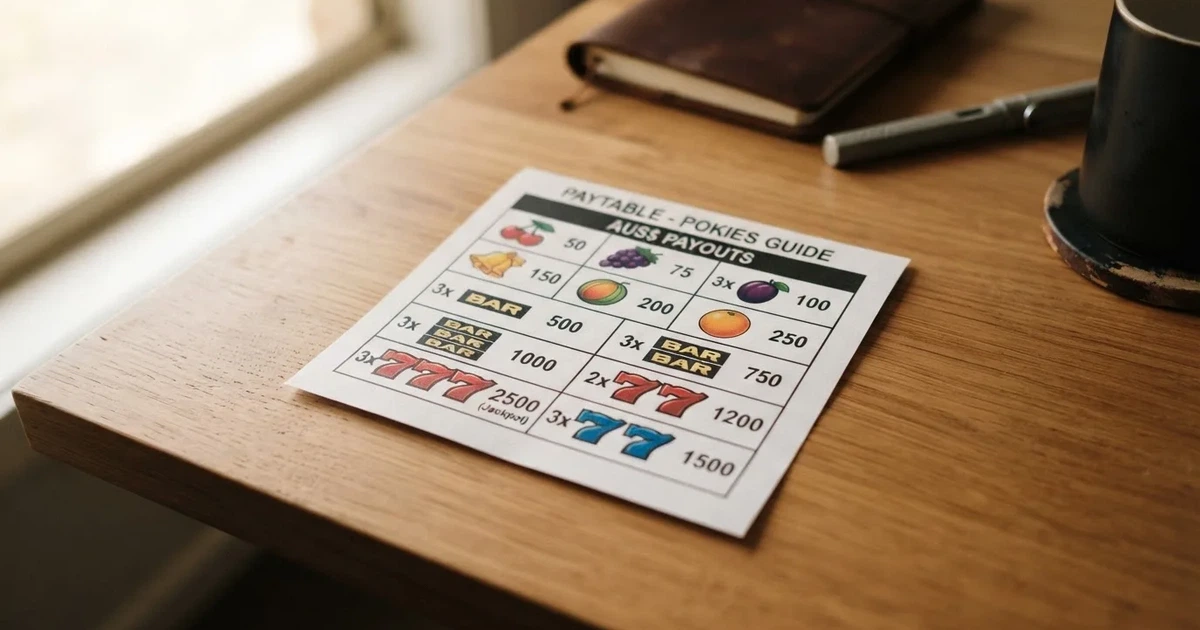
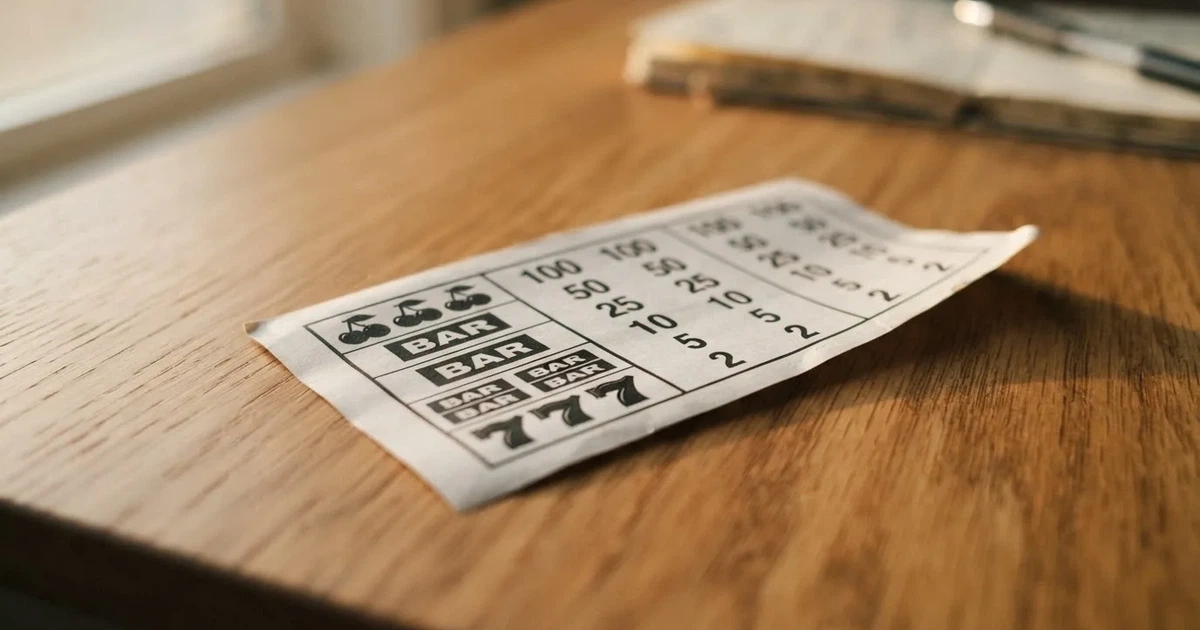
A five-reel slot is the older cousin of the five-by-three video slot the iGaming industry now ships by default. Same number of reels, different ambitions. The five-reel “classic” format usually runs three rows and nine to twenty fixed paylines, with a small symbol set and a single bonus round, if that. The video format that grew up beside it packs five reels but layers expanding wilds, scatter pays, free-spin retriggers, megaways and licensed themes on top. Searching for the first thing in 2026 lands a reader in a market where the second thing is everywhere and the first thing is treated as a museum exhibit, and where no operator, offshore or otherwise, can lawfully take a real-money bet on either from inside Australia.
That gap is the page. The format is worth describing because players who ask for “5-reel” usually mean it in the older sense: simpler rules, a paytable they can read in a sitting, a bonus round they understand before they trigger it. The offshore shelf is worth laying out because every site that offers it to an Australian is breaking the Interactive Gambling Act 2001, and the ACMA has been saying so by name for years. The rest of the page walks between those two points: what a five-reel slot actually does on the reels, what an Australian player can and cannot lawfully do with one, and which brands the regulator has been warning off.
Table of Contents
- The shape of a 5-reel slot, and why “5-reel” stops meaning what it used to
- What an Australian player can lawfully do
- How bonuses and free-spin rounds usually work on a 5-reel slot
- The 5-reel slot format on the ground in Australia
- The ACMA’s named brands, and what the regulator’s record shows
- How a reader should weigh an offshore 5-reel offer in 2026
- Help when the gap feels like a problem
- Reading the page in the round
- Frequently asked questions
The shape of a 5-reel slot, and why “5-reel” stops meaning what it used to
A five-reel slot is a slot machine with five spinning reels. The reels carry symbols, and the symbols line up across fixed or selectable paylines after a spin. Three matching symbols across a payline has been the bread-and-butter win condition since Charles Fey’s three-reel Liberty Bell in the late nineteenth century, and the same basic arithmetic runs the five-reel version. Two changes do most of the work in moving from the classic three-reel to the five-reel form: more reels means more symbols need to align, and the addition of bonus features — scatters, wilds, free-spin rounds — adds decision layers to a game whose original appeal was that you pressed the button and watched.

Modern video slot machines can use five or more reels with fifty or more symbols per reel, producing odds as high as 300 million to one against a top combination. A classic mechanical three-reel machine with about ten symbols per reel offers roughly 1,000 possible combinations. Five-reel “classic” titles sit somewhere between those extremes: more symbols and more reels than Fey’s machine, fewer symbols and fewer bonus mechanics than a current video release. The volatility range is wider than the format suggests. A five-reel classic with nine paylines and a single bonus round plays close to a flat experience; a five-reel video title with cascading reels and a free-spin ladder can swing far more between dry patches and feature hits, and that swing is the practical difference between the two.
What “5-reel” usually means in a search is therefore a stylistic preference rather than a strict mechanical category. Three columns matter most:
- Reel count and row count. The classic five-by-three grid is the standard. Anything that widens the rows, drops the reels into a hexagonal cluster, or expands into megaways-style dynamic reels is a video slot that happens to count five reels at the moment of spin.
- Payline structure. Older five-reel games use fixed paylines, often nine or twenty, drawn left to right across adjacent reels. Newer video formats lean on scatter pays, ways-to-win and cluster pays, where matching symbols anywhere on adjacent reels form a win.
- Bonus depth. A classic five-reel title usually carries one bonus round, typically free spins with a multiplier. A video five-reel slot layers retriggers, expanding symbols, pick-me bonus wheels and sometimes a gamble feature on top.
The house always has an edge. The shape of that edge is different from one five-reel title to the next, and it does not improve on the format alone. State regulation in the United States shows the spread clearly: Nevada requires a minimum 75% return, Mississippi 80%, New Jersey 83%, with the rest of the difference made up by volatility and bonus math. Those numbers sit on the floor; online five-reel slots sit somewhere on the same band, and the only honest way to know which band a particular title sits in is to read its published return-to-player figure rather than its reel count.
What an Australian player can lawfully do
The Interactive Gambling Act 2001, tightened by the Interactive Gambling Amendment Act 2017, makes it an offence to provide online casino games, online pokies or in-play betting to a person in Australia. No state or territory issues a licence for them. What is licensable is wagering on races and sport placed before the event, lotteries and keno — in practice licensed by the Northern Territory. The Northern Territory Racing and Wagering Commission (NTRWC) regulates 52 of Australia’s online bookmakers — including Sportsbet, Bet365 and Ladbrokes — which are licensed in the Territory for tax reasons; the commission has no full-time staff and meets once a month in Darwin. Minimum age is 18.

That frame does two things for a reader searching for a five-reel slot:
- The product the search is asking about cannot be sold to them legally from inside Australia. Every offshore site offering five-reel online slots to Australians is operating outside Australian law, whatever offshore licence it displays.
- The product the search is asking about is widely available inside that legal gap, because the offshore shelf is large, well-marketed and aggressive in ways Australian-licensed wagering is not.
What this means in practice is that the rest of the page is a guide to a market the reader cannot enter as a customer of a licensed Australian site. The section on offshore brands is a record of who the regulator has warned, not a comparison of where to play.
Enforcement and the blocking list
The Australian Communications and Media Authority (ACMA) is the body that polices the gap. It investigates complaints, issues formal warnings to operators, and can direct Australian internet service providers to block illegal sites at the network level.
According to the ACMA as reported in June 2026, a total of 1,751 illegal gambling and affiliate marketing websites had been blocked since the first blocking request in November 2019, and more than 230 unlicensed gambling services had left the Australian market since enforcement was strengthened in 2017. The latest round reported on 26 June 2026 asked Australian internet service providers to block 12 more illegal gambling websites: 7Signs, ChromaBet, Donbet, Duospin, Freshbet, Slots Gem, Jacks Club, Lucky Start, Pointsbetz, Spinrise, Vinyl Casino and Wildsino.
The block rate is the working statistic that shows how the regulator is doing against the offshore shelf. The first blocking request was issued in November 2019 and 1,751 sites have been added to the block list since then, through to June 2026. That works out at roughly 260 sites per year on average over the period, or close to five a week — and the latest published round alone adds another twelve.
H2 Gambling Capital’s 2025 report estimates that Australians lose about A$3.9 billion a year to illegal gambling sites, and that the share of gambling going through legal channels fell from 74% in 2021 to 64%. A blocking rate of roughly 260 sites a year against an illegal market that still moves A$3.9 billion annually is enforcement on a meaningful slice of the supply side that has not yet cut the demand side in proportion. The next section is the ACMA’s other lever.
Formal warnings, not just blocks
A formal warning sits one step earlier in the regulator’s toolkit. The ACMA names the operator behind the offending service, gives the legal grounds under the Interactive Gambling Act 2001, and sets out what the operator must do to come into compliance. Most operators do not, and the next round of action is a block request to the ISPs. The list of formal warnings is the regulator’s running ledger of who has been told, when, and which parent company the ACMA understands to be behind the brand.
The warnings named in this page cover a representative spread of the offshore shelf rather than every warning the ACMA has issued. They are also current enough to show the parent-company pattern the regulator sees: a handful of operators running many brands, and the same names reappearing across years.
| Brand | ACMA action and date | Operator named by the ACMA | Subject support |
|---|---|---|---|
| RocketPlay | Formal warning, March 2026 | Pulsup Ltd (Rocketplay); earlier Dama N.V. warned May 2022 | — |
| Level Up Casino | Formal warning, May 2022 | Dama N.V. | Bgaming lists the title |
| Woo Casino | Formal warning, March 2025 | Dama N.V. | — |
| Spirit Casino | Formal warning, May 2025 | Dama N.V. | — |
| National Casino | Formal warning, July 2025 | Consolutetish S.R.L. | en.wikipedia.org references the brand |
| Bizzo Casino | Formal warning, July 2025 | Consolutetish S.R.L.; earlier TechSolutions warned 2022 | — |
| Ignition Casino | Formal warning, July 2025 | Bamboo Media | — |
| Instant Casino | Formal warning, February 2025 | EOD Code SRL | — |
| Jackbit | Formal warning, April 2026 | Ryker B.V. (also CasinOK) | — |
| Casino Intense | Formal warning, April 2025 | Sterplay Holding Ltd | Abc.net.au and the ACMA register reference the brand |
| Sky Crown | Formal warning, September 2022 | Hollycorn N.V. (also Blue Leo) | — |
The shape of the table is the shape of the offshore shelf. Dama N.V. alone runs four of the eleven brands the ACMA has named: RocketPlay (under a later parent), Level Up Casino, Woo Casino and Spirit Casino. Consolutetish S.R.L. runs another two, National Casino and Bizzo Casino. Ryker B.V. runs Jackbit alongside CasinOK. A small number of Curaçao-registered and Costa-Rica-registered companies hold a long list of brands between them, and the regulator names the operator rather than the brand on every warning because the brand is replaceable and the parent is the thing that has to change its conduct.
What “no Australian consumer protection” actually means
The framing “you cannot play legally online, but here is what offshore play costs you” matters because the cost is invisible on the marketing page. An offshore site gives no Australian consumer protection, no complaints body and no recourse if a withdrawal is refused, and it can be blocked with a balance still on it. Three things follow from that, all of which sit on the page rather than on the operator’s terms:
- The regulator that the offshore site’s terms page names — usually Curaçao, sometimes Malta or Anjouan — is not the regulator a withdrawal dispute is heard in front of in practice. The site may display a licence badge; that badge carries none of the dispute pathways an Australian-licensed operator carries through state and territory gambling regulators, BetStop and the Australian Financial Complaints Authority.
- A blocked site keeps the player’s account balance. The ACMA’s block list works at the DNS level. Once a domain is blocked, players who had funds on it cannot reach the cashier to withdraw, and the regulator’s enforcement direction is to ISPs, not to the operator’s treasury. Funds recovery is a private matter between the player and the operator, who may or may not keep the withdrawal channel open through a mirror URL.
- The advertising and inducement rules that govern licensed Australian wagering do not apply. The Interactive Gambling Amendment (Gambling Reform) Bill 2026 passed Parliament on 19 August 2026; its advertising and inducement measures commence 1 January 2027 — law with a start date, not yet in force on a 2026 page. Until then, offshore sites can advertise to Australians through affiliate marketing, search results and social channels without the inducement restrictions that licensed wagering operates under.
The pattern of formal warnings the table shows is the regulator’s response to that gap. Each warning names a parent, a brand and a date. Where the same parent name keeps appearing, the regulator is documenting a pattern of conduct rather than a one-off. Where a 2022 warning is followed by a 2025 or 2026 warning over a new brand under a different registered name, the regulator is following the corporate reshuffle the offshore shelf runs on.
How bonuses and free-spin rounds usually work on a 5-reel slot
Five-reel slots usually carry one of three bonus structures: a free-spin round triggered by three or more scatters, a pick-me bonus round triggered by a specific symbol combination on a designated reel, or a wheel-style bonus that pays a credit prize. The free-spin round is the most common. It typically awards eight to twenty free spins at the same stake as the triggering spin, with a feature layered on top: an expanding symbol, a multiplier on wins, or extra wilds added to the reels for the duration of the round. The round often retriggers from inside itself if three or more scatters land during the free spins.
What every bonus round has in common is the wagering requirement that follows it on the offshore shelf. The bonus itself is the marketing word. The wagering multiple is the actual mechanism, and it sits in the site’s terms page rather than on the bonus banner. A standard offshore welcome package runs a 100% match on the first deposit with a 35x to 45x wagering requirement on the bonus amount, sometimes on the deposit plus the bonus, and a maximum cashout cap that limits how much of the bonus balance can actually be withdrawn. The terms vary by site; the shape does not. A player who claims the headline bonus without reading the wagering and cashout terms is playing a different game from the one the banner advertises.
Free spins attached to a welcome package are the same mechanism in a smaller form. The site credits a fixed number of spins at a fixed stake on a named title, the winnings land as bonus money, and the wagering requirement runs on the winnings rather than the spin stake. The headline reads “200 free spins on Book of Dead.” The full sentence reads “200 free spins at A$0.10 on Book of Dead, winnings credited as bonus money with a 40x wagering requirement and a A$100 cashout cap.” The reader who knows only the first sentence is not the reader who chose the offer.
This page does not carry wagering multiples for the eleven brands in the operator section because the only sources for them were affiliate marketing pages, and affiliate marketing pages are precisely the marketing layer the regulator has been warning the offshore shelf about. What is fair to say is that the wagering multiple on this shelf is rarely below 35x the bonus amount, that cashout caps are common, that game-weighting rules usually exclude or down-weight table games and high-RTP slots, and that bonus terms on offshore sites are private contracts between the player and an operator the ACMA has named in a formal warning. Every wagering figure in this paragraph is the kind of figure the reader needs from the operator’s own terms page before depositing.
The 5-reel slot format on the ground in Australia
The offshore shelf offers 5-reel slots. The legal Australian shelf does not. The physical shelf — pubs, clubs and casinos — does, and the published machine counts show how that market looks.
Pokies-style slot machines outside casinos numbered 87,298 in New South Wales (June 2023), 26,380 in Victoria (2021–22), 21,122 in Queensland (October 2023), 11,672 in South Australia (September 2023) and 3,587 in the ACT (November 2023). Australia operated an estimated 97,103 gaming machines outside casinos in 2010, a per-capita rate about five times that of the United States. Those are venue machines, not online. The format the reader is searching for is broadly the same — three to five reels, a credit-based stake ladder, a paytable on the machine or on the screen — but the regulatory environment is different in three ways:
- Venue pokies operate under state and territory legislation, with state-level regulators setting return-to-player floors, maximum stake limits, cash input limits and mandatory closing periods. New South Wales legalised slot machines in 1956; the modern regulatory frame grew from there.
- Online casino play has no equivalent frame in Australia. The Interactive Gambling Act 2001 is enforced federally, the ACMA is the regulator, and the levers are formal warnings, ISP blocking and operator-level complaints rather than venue-level conditions.
- Crown Melbourne and The Star Sydney operate licensed casino floors under state Casino Control Acts. Crown Melbourne offers three baccarat variants — Traditional Baccarat, Crown Baccarat and 2 to 1 Baccarat — as approved table games regulated by the Victorian Gambling and Casino Control Commission, which replaced the VCGLR as Victoria’s casino regulator on 1 July 2022. Table games sit on the same licensing frame; slot machines on the casino floor sit on it as well, with each title and its return-to-player figure approved by the state regulator.
The takeaway for the reader is that the Australian-licensed slot product is the venue pokie, not the offshore online slot. The five-reel classic format exists in Australian venues on a regulatory floor that is genuine and enforced. The five-reel online format exists on the offshore shelf on a regulatory floor that is whatever the operator’s Curaçao or Anjouan licence requires.
The ACMA’s named brands, and what the regulator’s record shows
The table in the section on enforcement names eleven brands and their operators. The sections that follow walk each brand in turn, with the ACMA’s own action as the only fact a reader needs to act on. None of the brands in this section is recommended as a place to play. They are described because the regulator has named them, and a reader comparing offers needs to see what the regulator’s record shows.
The eleven brands share three things. Every one of them has been the subject of a formal warning under the Interactive Gambling Act 2001. Every one of them displays an offshore licence rather than an Australian one, because no Australian licence exists for the product. And every one of them operates outside the Australian consumer protection frame, which means any withdrawal dispute sits with the operator’s named offshore regulator rather than with an Australian body. The differences between them are parent-company, warning date and the order in which the regulator caught up.
RocketPlay — the brand with two operators on the regulator’s record
The ACMA issued a formal warning to Pulsup Ltd over Rocketplay in March 2026 — the most recent warning on the list. An earlier warning covered the same brand under Dama N.V. in May 2022, when the ACMA’s formal warning to Dama N.V. covered six casino brands, including Rocketplay, Bambet, Dazard, Level Up, Wild Tornado and Cobra Casinos. The change of parent between the two warnings is exactly the reshuffle the regulator has been documenting across the offshore shelf: the same product, a new corporate wrapper, the same conduct.
What this means for a reader comparing offers is that the brand identity on the page is not the legal identity on the warning. RocketPlay today sits under Pulsup Ltd. The Dama N.V. record is the regulator’s record of what happened when the brand was last under that parent. A reader who treats the brand name as the entity doing the warning is reading the wrong contract.
The verdict: the brand’s own history on the regulator’s record is the case against it. Two warnings, two parents, one product offering the same prohibited service to Australians in both periods.
Level Up Casino — among the six Dama N.V. brands warned in 2022
The ACMA’s May 2022 warning to Dama N.V. covered Level Up alongside Bambet, Dazard, Rocketplay, Wild Tornado and Cobra Casinos. The 2022 round was one of the regulator’s earliest multi-brand warnings and set the template for how the ACMA documents the parent-company pattern the offshore shelf runs on.
The brand’s support footprint on the broader listings side is narrower than its marketing presence suggests. Bgaming lists the title, which puts it on a third-party aggregator’s catalogue but is not a regulator’s record of compliance.
The verdict: the regulator’s record names the operator, not the brand’s market position. A reader looking at Level Up on an affiliate page is looking at one of six brands the ACMA grouped together in 2022.
Woo Casino — Dama N.V., March 2025
The ACMA issued further formal warnings to Dama N.V. over Woo Casino in March 2025 and Spirit Casino in May 2025. Woo was the earlier of the two, and the warning followed the same legal grounds — the Interactive Gambling Act 2001’s prohibition on providing online casino games to Australians.
Dama N.V. is now on the regulator’s record four times across this page: the 2022 multi-brand warning, Woo Casino in March 2025, Spirit Casino in May 2025, and RocketPlay under the earlier parent in 2022. A reader looking at any one Dama N.V. brand is looking at the same operator the regulator has named four times for the same conduct.
The verdict: the operator-level record is the figure that matters, not the brand-level marketing. Dama N.V. is the constant.
Spirit Casino — Dama N.V., May 2025
The May 2025 warning to Dama N.V. over Spirit Casino arrived eight weeks after the Woo Casino warning, and the regulator named the same parent on both. Spirit is a younger brand on the shelf than Woo or Level Up, and the speed of the second warning is the regulator’s response to Dama N.V. continuing to add new brands under the same corporate roof.
The verdict: the warning is two months newer than Woo’s and sits on the same parent. A reader weighing the two is weighing brands, not operators — and the operator has two warnings on the regulator’s record inside ten weeks.
National Casino — Consolutetish S.R.L., July 2025
In July 2025 the ACMA issued formal warnings to Bamboo Media over Ignition Casino and to Consolutetish S.R.L. over National Casino and Bizzo Casino; Bizzo Casino had already been the subject of a 2022 formal warning to TechSolutions (CY) Group Limited and TechSolutions Group N.V. The July 2025 warning was National Casino’s first on the regulator’s record, and Consolutetish S.R.L.’s first under that name.
The brand has a footprint on the listings side that puts it in a small group of operator names with a Wikipedia reference. That reference is a third-party catalogue signal, not an Australian regulatory approval.
The verdict: a newer entry on the regulator’s record, which means a shorter record of named warnings rather than a clean one. The operator is new to the ACMA’s list; the conduct is not new to the offshore shelf.
Bizzo Casino — Consolutetish S.R.L. in 2025, TechSolutions in 2022
Bizzo is the brand on the regulator’s record twice. The 2022 warning went to TechSolutions (CY) Group Limited and TechSolutions Group N.V.; the July 2025 warning went to Consolutetish S.R.L. Two parents, two warnings, the same brand. The regulator has followed the brand through its first parent and into its second.
The verdict: the regulator’s record on Bizzo is older and more layered than any other brand in the table except RocketPlay. Two parents, two warnings, one product.
Ignition Casino — Bamboo Media, July 2025
The ACMA issued a formal warning to Bamboo Media over Ignition Casino in July 2025. Ignition is the brand most associated with the offshore poker-and-casino combination on the Australian-facing shelf, and the warning covers the casino side of the product.
The verdict: a single warning on a brand that has run for several years on the Australian-facing shelf without an earlier entry on the regulator’s record. The regulator’s 2025 warning does not retroactively approve the years before it.
Instant Casino — EOD Code SRL, February 2025
In February 2025 the ACMA issued a formal warning to EOD Code SRL over Instant Casino. The brand’s name implies immediacy; the regulator’s warning is the first and only action the ACMA’s record shows against it.
The verdict: a clean but short record. One warning, one parent, and the brand remains on the offshore shelf offering a product that cannot be licensed for Australians.
Jackbit — Ryker B.V., April 2026
In April 2026 the ACMA issued a formal warning to Ryker B.V. over Jackbit and CasinOK. Jackbit is the crypto-leaning brand on this list, and the warning sits on the regulator’s most recent end of the timeline.
The verdict: a 2026 warning on a brand the regulator named alongside its sister CasinOK, both under Ryker B.V. The reader’s relevant figure is the date — the brand is fresh on the regulator’s record, and the regulator’s action is fresh.
Casino Intense — Sterplay Holding Ltd, April 2025
In April 2025 the ACMA issued a formal warning to Sterplay Holding Ltd over Casino Intense. The brand has a slightly different listings footprint from the rest of the table: Abc.net.au’s reporting on the Northern Territory regulator references Casino Intense, and the ACMA register references it as well. Two named sources, both pointing to a brand the regulator has warned.
The verdict: a 2025 warning with a slightly broader third-party footprint than the rest of the shelf. The reader’s relevant point is that the ACMA’s record is the same on this brand as it is on every other brand in the table.
Sky Crown — Hollycorn N.V., September 2022
The ACMA issued a formal warning to Hollycorn N.V. over its Sky Crown and Blue Leo casino services in September 2022. Hollycorn is one of the longer-running Curaçao-registered groups on the offshore shelf, and the warning sits on the regulator’s earliest end of the timeline in this table.
The verdict: a 2022 warning on an operator that has run multiple brands over several years. The reader’s relevant figure is the date — Sky Crown is the oldest entry on this table’s regulator record, and Hollycorn has had time to comply without doing so.
How a reader should weigh an offshore 5-reel offer in 2026
The legal frame is settled, and the offshore shelf is not. The eleven brands in the previous section are not the whole shelf, and the regulator’s table is not a closed list. A reader holding a five-reel offer from any of these operators — or from a similar one the ACMA has not yet named — should weigh four things before depositing.
- The licence the operator displays is an offshore licence. Curaçao, Anjouan and Malta are the three jurisdictions most often named on the offshore shelf. None of them gives an Australian player the dispute pathway an Australian-licensed wagering operator gives through state regulators, BetStop or AFCA. The badge on the footer is a regulatory marker, not a consumer protection.
- The wagering requirement on the bonus is the real offer. Headline matches of 100% to 200% on the first deposit are common, with 35x to 45x wagering requirements on the bonus (or the deposit plus the bonus), and a maximum cashout cap. Reading those three figures is the difference between the offer the banner advertises and the offer the player actually claims.
- The payments stack tells the reader whether the operator is even trying to operate inside the Australian frame. Credit cards, credit-related products and digital currency are banned as payment for licensed online wagering since 11 June 2024 (penalties up to $247,500 for operators). Legal deposit routes for licensed wagering are debit card, bank transfer, PayID/Osko and BPAY. A site asking an Australian for a credit card or a crypto deposit is operating outside the Australian rules.
- The block list is one round away. The June 2026 round alone added twelve sites. A deposit today is a balance that could be stranded by a block request tomorrow. The regulator does not warn operators out of existence; it warns them, then blocks them, and the player sits in the middle.
What the page has not done is recommend a place to play, and that is deliberate. The frame the Interactive Gambling Act 2001 sets is one the page cannot route around. The shape of the offshore shelf is one the regulator has been documenting in the table above. The reader’s decision is between the legal product (venue pokies under state regulation) and no product at all, and the offshore shelf is the gap between those two.
Help when the gap feels like a problem
If thinking about 5-reel online slot play ever starts to feel compulsive or stressful, free confidential help is available around the clock through Gambling Help Online and the National Self-Exclusion Register. The relevant levers are:
- National Gambling Helpline 1800 858 858, free, 24/7.
- Gambling Help Online, with webchat.
- BetStop, the National Self-Exclusion Register, live since August 2023. BetStop binds only Australian-licensed online and phone wagering services — an offshore casino is not connected to it. The register is the right tool for a player who has been using licensed wagering and wants out; it is not the right tool for closing an offshore casino account.
Australian-licensed venues and online wagering carry a self-exclusion register that works. The offshore shelf does not, and the regulator’s enforcement direction is to ISPs, not to player accounts. A reader who has been playing offshore and wants to stop is best served by the helpline rather than by the offshore operator’s “self-exclusion” checkbox.
Gambling winnings of a recreational player are not assessable income (section 6-5 ITAA 1997) and losses are not deductible, unless the person carries on a business of gambling — a model only, and a question for the ATO rather than for this page.
Reading the page in the round
The five-reel slot is a real format with a real history and a real audience, and the legal Australian market does not stock it online. The offshore shelf stocks it widely, and the regulator has named eleven of the brands on that shelf in formal warnings under the Interactive Gambling Act 2001. The page has described the format because that is what the search asked for, walked through the legal frame because that is the frame the format sits inside in Australia, and listed the regulator’s named brands because that is the only comparison the offshore shelf supports from inside the law.
The block-rate arithmetic in the section on enforcement provides a clear picture: roughly 260 sites a year on the regulator’s block list since November 2019, against an illegal market that still moves A$3.9 billion annually. The block rate is real, the demand side has not caught up, and the offshore shelf continues to add brands and welcome packages between the regulator’s rounds. The reader’s practical conclusion is that the offer the offshore shelf markets is real, and that the legal frame the reader is inside is equally real, and the two do not meet.
Frequently asked questions
What makes a 5-reel “classic” slot different from a standard five-reel video slot?
Both use five reels, but the classic format usually runs five-by-three with nine to twenty fixed paylines and a single bonus round. A modern five-reel video slot widens the symbol count per reel, layers scatter pays or ways-to-win, and stacks multiple bonus mechanics on top. The reel count is the same; the symbol count and the bonus depth are the difference.
Can 5-reel slot machines be found in licensed Australian pubs and clubs?
Yes. Australian venues stock pokies on state and territory licensing frameworks, with regulatory floors on return-to-player and stake limits set by each state. New South Wales alone had 87,298 pokies outside casinos as of June 2023, with Victoria, Queensland, South Australia and the ACT running tens of thousands more between them. The legal product is the venue pokie, not the offshore online slot.
Do 5-reel classic slots pay out differently than newer five-reel video slots?
The reel count alone does not determine the return. A five-reel classic with nine paylines and a flat bonus round sits closer to a low-volatility experience; a five-reel video slot with cascading reels and a free-spin ladder swings more between dry patches and feature hits. The published return-to-player figure on each title is the honest answer, not the reel count.
Is a 5-reel slot online the same game as a 5-reel machine on a casino floor?
The format is similar — three to five reels, a credit-based stake ladder, a paytable — but the regulatory frame is different. Venue machines operate under state and territory casino and gaming legislation, with state regulators approving titles and return figures. Online play targeting Australians operates outside Australian law, under offshore licences that do not give Australian consumer protection.
Are 5-reel slots for real money available legally from an Australian-based site?
No. The Interactive Gambling Act 2001 prohibits the supply of online casino games, including online pokies, to people in Australia. No state or territory issues a licence for them. Real-money five-reel online slot play targeting Australians exists only on offshore sites that are operating outside Australian law, regardless of what offshore licence they display.
Written by the editors at Casino VIP Info.