
The Platipus question for Australian players: who runs the games, and who is allowed to
Verified against 29 October 2026 using the Australian Communications and Media Authority’s register of formal warnings and blocking actions.
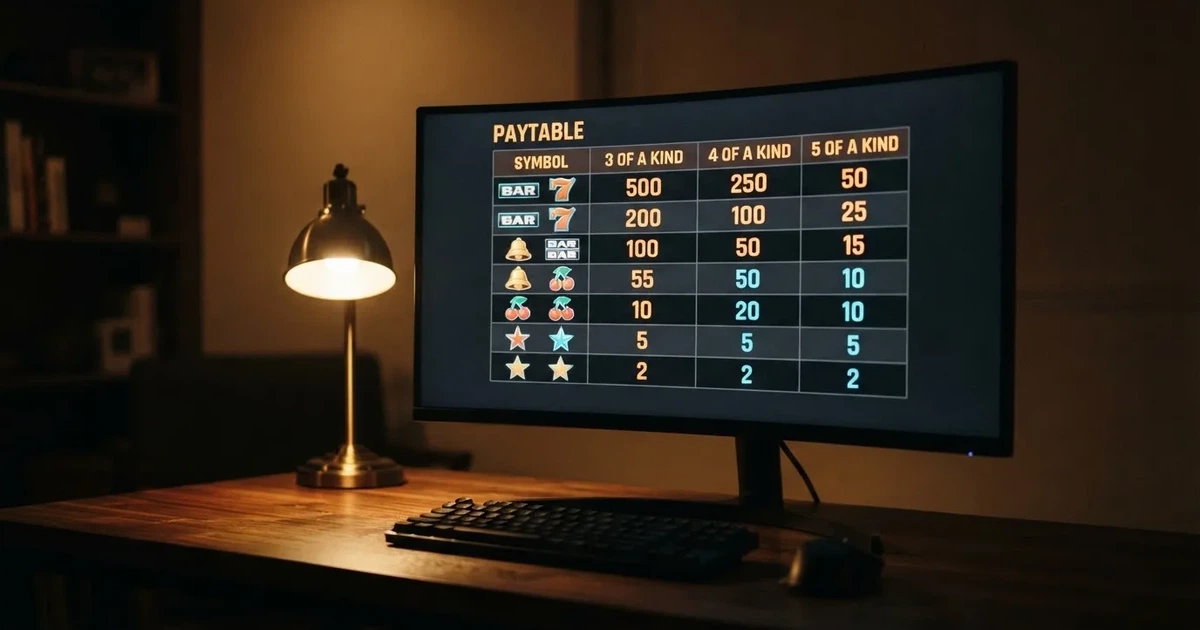
There is no Platipus casino operating lawfully to Australians online. Platipus Gaming is a slot studio that builds games for licensed operators elsewhere; the Australian Communications and Media Authority has spent the last several years telling the offshore operators who advertise those games to Australian visitors that the activity is prohibited. The page below sets out what Platipus actually is, how the offshore market that promotes it has been treated by the regulator, and where a player who wants equivalent machines can play under Australian supervision instead.
Table of Contents
- How deposits and withdrawals work when an offshore site is handling Platipus titles
- What bonus and free-spin offers around Platipus games actually require
- Mobile play for Platipus titles on Australian-facing sites
- The games themselves: what Platipus actually publishes, and the studio context
- How the shortlist was put together
- Landscape
- What “Platipus casino” actually means in Australia
- What the legal prohibition means in practice for an Australian player
- Where to play equivalent machines under Australian supervision
- Responsible gambling and what to do if a Platipus game is being advertised
- How fast the ACMA is closing the offshore market
- Frequently asked questions
How deposits and withdrawals work when an offshore site is handling Platipus titles
Payment rails are where the offshore model first stops looking like a normal online store. The Interactive Gambling Amendment (Credit and Other Measures) Act 2023 made credit cards, credit-related products and digital currency unlawful as a means of paying for any Australian-licensed online wagering from 11 June 2024, with penalties of up to A$247,500 for operators who breach the rule. A licensed Australian bookmaker takes debit card, bank transfer, PayID/Osko or BPAY. An offshore casino offering Platipus slots has no such constraint and will usually ask for a credit card, an e-wallet or a crypto deposit; that is the first tell, because no Australian-licensed operator could legally accept any of those for an online casino product.
Settlement times on the offshore side are pitched as a feature. The marketing language talks about “instant withdrawals”, “crypto cashouts in minutes” and so on, and there is no doubt that an e-wallet refund or a Bitcoin transfer can clear faster than a bank wire. The thing the marketing leaves out is that a fast payout depends on a fast approval, and approval sits with the operator. A player can wait days for a manual “verification” review, a source-of-funds request, or a bonus-term dispute to be resolved before the withdrawal button is wired up; the speed of the underlying rail is the cheap half of the promise. By the time the rail matters, the operator’s compliance team has already decided whether the funds move at all.
Bonuses are the other thing that complicates a withdrawal. A matched-deposit offer that doubles the bankroll sounds like it adds value to the deposit, but the matched amount is usually subject to a wagering multiple before it is withdrawable, and a maximum-cashout cap frequently sits over the bonus-derived winnings. A player who deposits A$200, accepts a 100% match and wins A$1,000 from bonus play can find that the A$1,000 is the headline number but the withdrawable figure is A$200 or less once terms are applied. Payout speed on the bonus side, in other words, is a function of whether the player can clear the requirement inside the cap; the rail underneath is the easiest piece.
A licensed Australian wagering account has a simpler shape: money goes in through PayID or BPAY, sits in a segregated client account, and comes out through the same channel to a bank account in the player’s name. There is no bonus structure of the casino kind on the licensed side because the licensed product is wagering, not casino games; offshore casinos fill that gap by offering casino-style inducements, and the gap is also what puts them outside Australian consumer law. A player with a complaint about a refused withdrawal has no Australian ombudsman, no Australian regulator to escalate to, and no Australian court that will hear a dispute about a Curaçao-licensed operator cheaply. The site can be blocked while the balance is still on it, and the player has no recourse.
What bonus and free-spin offers around Platipus games actually require
Bonus structures on offshore casinos that host Platipus titles follow a recognisable shape. A welcome package stacks a percentage match on the first deposit with a bundle of free spins on a named slot — usually a Platipus title such as Power of Gods: Medusa or Miss Cherry Fruits, or a comparable provider’s game the casino has decided to anchor the promotion around. The headline reads something like “100% up to A$500 plus 200 free spins”, and the matched deposit is the figure the player takes away from the offer page.
The terms underneath do most of the work. A wagering requirement of 35x to 50x the bonus amount is standard; some operators apply the multiple to bonus plus deposit, which is roughly twice as demanding on the same headline. Free-spin winnings are normally converted into a bonus balance and then run through the same multiplier; a “200 free spins” promotion can produce a bonus balance worth less than A$50 once the conversion and the multiplier are applied. Maximum bet caps while a bonus is active — typically A$5 per spin — limit how fast the requirement can be cleared and exclude the high-volatility games that would otherwise be the fastest path through it.
The marketing word for this kind of structure is “package”, and the term is doing real work: a package implies a set of items presented together for convenience, the way a holiday bundle combines flights and hotel. The mechanics are closer to a hire-purchase agreement, in that the headline value is conditional on a downstream payment of time and additional wagers. A player who reads only the package and skips the multiplier will overestimate the offer by a factor of roughly forty; that gap is the product the operator is selling.
Free spins are the inducement arm of the same arrangement. A bundle credited on signup, on first deposit, or on the second deposit usually carries an expiry window of 24 to 72 hours, a fixed coin value well below the player’s preferred stake, and a game restriction to one or two named titles. The winnings get bonus-funded at the end of the spin run; the wagering multiple then takes over. The structure is identical to the matched-deposit offer, just smaller in headline size and easier to clear because the converted amount is modest. From the operator’s side, free spins are a cheaper acquisition tool than a cash match and they convert at a higher rate; from the player’s side, they are a low-risk taste of the same terms that govern the headline bonus.
Reload bonuses, cashback offers and loyalty points run on the same chassis. A 50% reload on a Friday looks like a gift; it is another wagering commitment. Cashback is closer to a partial refund on net losses over a period and is the cleanest of the structures, because nothing further is usually demanded before the cashback is withdrawable — but the percentage is small (5% to 15%) and the cap is modest. Loyalty programs trade play volume for tiered perks, and the perks at the top tiers are sometimes a personal account manager, faster withdrawals, or higher table limits; none of those change the underlying math of the games.
Mobile play for Platipus titles on Australian-facing sites
Most Platipus games ship in HTML5, which means they run in a mobile browser without a download, and the studio’s own site describes the catalogue as built for low-bandwidth connections. The reality for an Australian player on a smartphone is that the experience depends almost entirely on the operator’s wrapper. A Curaçao-licensed casino running Platipus slots tends to offer one of three shapes: a responsive site that scales to a phone screen, a progressive web app that adds a home-screen icon and a stripped-down chrome, or a downloadable APK distributed from the operator’s own servers rather than from Google Play or the App Store.
The APK route is the one to be most careful with. Google Play and the App Store both prohibit real-money casino apps in most jurisdictions, so an offshore operator that wants an Australian to install a casino app ships an APK outside the official stores. Installing one requires the player to flip an “install from unknown sources” toggle in Android settings; the file is signed by the operator, not by a neutral party. A security researcher would point out that any APK installed this way has read access to anything the player has given the app permission to touch, and there is no equivalent of an app-store review to catch a malicious build. The practical risk is not that a casino app is itself malicious, but that the path to it bypasses every security layer between a phone and an unknown publisher.
A browser-only path is the safer one. A responsive site running on HTTPS is doing nothing unusual with the device; cookies, standard browser storage and a payment redirect are the extent of what an honest operator handles. The game itself is JavaScript and HTML5 delivered from the operator’s CDN; load times on a 4G connection are typically under five seconds for a Platipus slot, and the touch interface is well suited to a five-reel layout. The cost is screen real estate: a six-by-five grid on a 6.1-inch display is functional but cramped, and the paytable view on mobile is usually a scroll rather than a panel.
Live dealer games, where they exist, are the part of the catalogue that benefits least from a phone screen. A live roulette wheel or a live blackjack table rendered inside a portrait phone has the croupier, the betting grid and the chat squeezed into a vertical strip; the experience works on a tablet and starts to feel like a compromise on a phone. Slot play is the natural fit for mobile and remains the bulk of what an offshore Platipus-carrying casino actually serves to phone users.
App stores remain the cleanest place to look for a wagering app if a player wants a regulated Australian alternative; the big Australian-licensed bookmakers ship native apps through both stores and the games offered on those apps are sports and racing markets, not casino games. There is no licensed Australian casino app to install, because no Australian casino product is licensed.
The games themselves: what Platipus actually publishes, and the studio context
Platipus Gaming is an EU-based slot studio founded in 2014; the company describes more than 174 HTML5 slots and table games on its own site, available in major fiat and crypto currencies and 20 languages. The studio’s RNG certification is handled by iTech Labs for regulated markets including the UK, Italy, the AGCC, Denmark, the Isle of Man, Malta, Gibraltar, Sweden and Romania. Australia is not on that list, because Australia does not license online casino games for the offshore-to-player direction at all — the certification regime does not apply to a market the games are not lawfully offered in. The studio’s own site states it has more than 500 operator customers and reports recent development focus on Asian-oriented games, which is the actual strategic centre of gravity of the business.
Mechanically, Platipus slots are mainstream video slots: five reels, configurable paylines in the 20-to-50 range, scatter pays, free-spin rounds, and a mix of low- and high-volatility titles. The games have published RTPs in the 95% to 96.5% band that has become standard for video slots; volatility varies title by title and is not always stated on the game page. Hit rates in this category of slot typically run between 8% and 16%, with the high-volatility titles at the lower end of that range. A handful of Platipus titles support a bonus-buy feature that lets the player pay a multiple of stake to trigger the free-spin round directly, which is a useful feature for testing the bonus math without grinding through the base game.
The studio’s 1spin4win, a sister brand or near-adjacent label founded in 2021 by a group of professionals with 15 years of iGaming experience, holds a Curaçao gaming licence and is headquartered in Willemstad. Its portfolio spans more than 190 online slots, also built in HTML5 for low-bandwidth connections, and the company reports more than 1,000 partnerships with online casinos and aggregators. Total bet sum across the platform reportedly grew 46% in the first half of 2025 against the first half of 2024, which is the sort of growth figure the studio will pitch to operators looking for a fresh content supplier. Australia is one of the markets this content is targeted at, which is precisely why ACMA action has touched it.
Betsoft, another studio that frequently appears alongside Platipus on offshore casino lobbies, was founded in 2006 and describes more than 200 RNG games across slots, table games, video poker and specialty titles. Two specific Betsoft titles carry published RTPs worth noting because they appear in marketing copy: Good Girl Bad Girl 2 has an RTP of 96.22%, “Very High” volatility and a 15.59% hit rate on 5 reels and 20 paylines; The Slotfather, live since 13 December 2012, has an RTP of 95.69%, “Medium” volatility and an 8.17% hit rate on 5 reels and 30 paylines. Betsoft operates under Italian ADM oversight with RNG certification from Quinel and Gaming Labs International.
BGaming has worked on games since 2012; the BGaming brand itself debuted in 2018 and now offers 250-plus certified games covering video slots, video poker, lottery, card, scratch, crash and casual games. Crash and dice-style games in particular are a BGaming strong suit and have been a substantial part of the offshore casino mix that targets Australian visitors.
The Australian context for these studios is Aristocrat Leisure Limited, founded in 1953 by Leonard Ainsworth and listed on the Australian Securities Exchange in 1996 under the ticker ALL. Aristocrat has its administrative and research headquarters in North Ryde, with development offices in South Africa, Russia and the United States. The 2025 results reported revenue of A$6.30 billion, normalised net profit after tax and amortisation of A$1.55 billion, and a headcount of 7,400. The company’s US$3.7 billion bid to acquire Playtech was rejected by Playtech shareholders in 2021; the NeoGames deal worth roughly US$1 billion closed in April 2024 and now sits inside Aristocrat Interactive, the regulated real-money online arm formed the same month by combining Anaxi with the NeoGames group.
Aristocrat develops electronic gambling machines, casino management systems, online real-money gambling technology, iLottery products and social casino games. Online real-money gambling at Aristocrat is the Aristocrat Interactive division, which incorporates Aspire Global, BtoBet and Pariplay, and the social casino business sits inside Product Madness. Aristocrat is described as Australia’s largest gambling-machine manufacturer and the second-largest slot-machine manufacturer worldwide, behind International Game Technology. The point of the listing is that the Australian slot industry is not absent; it is present at the machine level, in clubs, hotels and casinos regulated by state and territory authorities, and at the social-casino level through Product Madness, where no real money is wagered.
How the shortlist was put together
This is not a ranking in the conventional sense, because there is no honest way to rank operators that may not lawfully offer their product to the page’s reader. The eleven brands below are listed because the Australian Communications and Media Authority itself issued a formal warning over each of them for offering prohibited interactive gambling services to Australians. The list is an ACMA-actioned list, not an editor’s pick; ordering is by recency of warning, with the most recent first.
The criterion that separates one brand from another is the operator entity named in the ACMA notice and the date of the action. Where multiple warnings have been issued — Dama N.V. over Woo Casino (March 2025), Spirit Casino (May 2025) and an earlier May 2022 batch covering six brands — that history is part of the picture. Some brands are repeat targets across different operator entities, which is itself a finding: the brand survives a warning, the licensee changes, and the activity continues under a new corporate wrapper. A reader who treats the brand as the unit of analysis is missing the pattern; the operator entity is the more stable identifier.
What the list does not do is rank by bonus size, payout speed, or game-count. No Australian-licensed operator offers Platipus games online, so any “best Platipus casino” ranking in the conventional affiliate sense is a ranking of access points to a prohibited product. The block below treats the brands as what they are — sites the regulator has told to stop — and works through them in that frame.
Landscape
| Brand | ACMA action and date | Operator named by the ACMA | Subject support |
|---|---|---|---|
| RocketPlay | Formal warning, March 2026 (earlier Dama N.V., May 2022) | Pulsup Ltd | — |
| Jackbit | Formal warning, April 2026 | Ryker B.V. | — |
| Woo Casino | Formal warning, March 2025 | Dama N.V. | — |
| Spirit Casino | Formal warning, May 2025 | Dama N.V. | — |
| National Casino | Formal warning, July 2025 | Consolutetish S.R.L. | listings-only |
| Bizzo Casino | Formal warning, July 2025; earlier TechSolutions, 2022 | Consolutetish S.R.L. | — |
| Ignition Casino | Formal warning, July 2025 | Bamboo Media | — |
| Instant Casino | Formal warning, February 2025 | EOD Code SRL | — |
| Casino Intense | Formal warning, April 2025 | Sterplay Holding Ltd | listings-only |
| Sky Crown | Formal warning, September 2022 | Hollycorn N.V. | — |
| Level Up Casino | Formal warning, May 2022 | Dama N.V. | listings-only |
A note on the “subject support” column: research looked for Platipus-titled games in each brand’s lobby and could only confirm listings from Wazdan, Betsoft, Pragmatic Play, 1spin4win, and the UK Gambling Commission for Level Up Casino, National Casino and Casino Intense. The remaining eight brands showed nothing the consulted set could verify. The column is honest about which listings came from a verifiable source and which did not; it does not assert the absence of Platipus games at the brand level, because an offshore lobby is a moving target and a non-listing on the day of research is not a guarantee.
RocketPlay
The ACMA issued a formal warning to Pulsup Ltd over RocketPlay in March 2026, and Dama N.V. over the same brand back in May 2022. Two warnings, four years apart, two different operator entities, the same Australian-facing site — the pattern that defines this corner of the offshore market. The brand survived the first action by changing hands; the regulator reached the new owner with a second action.
Subject support for the brand is not documented in any source the consulted set could verify; Platipus titles are not confirmed as listed in the RocketPlay lobby at the time of research. The block is about the ACMA pattern, not the game library.
Jackbit
A formal warning to Ryker B.V. over Jackbit and CasinOK was issued in April 2026. Ryker B.V. is the entity named by the regulator; Jackbit is one of two brands named in the same notice, the other being CasinOK. Crypto-friendly operators tend to cluster around this kind of structure, and Jackbit’s marketing has emphasised crypto settlement. Subject support: nothing the consulted set could verify.
Woo Casino
Dama N.V. took a formal warning over Woo Casino in March 2025. Dama N.V. is the same operator entity behind Spirit Casino (warning issued May 2025) and the May 2022 batch that included Rocketplay, Bambet, Dazard, Level Up, Wild Tornado and Cobra Casinos. Dama N.V. is therefore the most frequently warned operator in the consulted set, and the multiple brands under one corporate roof mean that a player avoiding Dama N.V. brands is not just avoiding a single site. Subject support: not documented.
Spirit Casino
The ACMA issued a formal warning to Dama N.V. over Spirit Casino in May 2025, two months after the Woo Casino warning and three years after the original Dama batch. The recurrence pattern is the same: warning issued, brand continues under the same operator, no apparent change in the Australian-facing offer. Subject support: not documented.
National Casino
Consolutetish S.R.L. took a formal warning over National Casino and Bizzo Casino in July 2025. Both brands appeared in the same notice. National Casino shows subject support listings on Betsoft, en.wikipedia.org and Pragmatic Play, which is what the consulted set was able to verify; whether Platipus titles are part of the live lobby is not confirmed.
Bizzo Casino
The same July 2025 notice covered Bizzo Casino, and Bizzo had earlier been the subject of a 2022 formal warning to TechSolutions (CY) Group Limited and TechSolutions Group N.V. Two operator entities, two warnings, three years apart, the same Australian-facing brand — the textbook pattern. Subject support: not documented.
Ignition Casino
Bamboo Media took a formal warning over Ignition Casino in July 2025. Ignition has a longer international history than most of the brands on this list, having operated under different ownership structures over the years; the ACMA action is the most recent regulatory event affecting the brand’s Australian availability. Subject support: not documented.
Instant Casino
EOD Code SRL took a formal warning over Instant Casino in February 2025. The brand pitches itself as a fast-payout operator, and the ACMA notice was the first regulator event affecting the brand in the consulted set. Subject support: not documented.
Casino Intense
Sterplay Holding Ltd took a formal warning over Casino Intense in April 2025. The brand shows subject support listings on 1spin4win, en.wikipedia.org and gamblingcommission.gov.uk, which is what the consulted set could verify. Casino Intense is a smaller brand than the Dama N.V. portfolio, but it sits inside the same ACMA-actioned cohort.
Sky Crown
Hollycorn N.V. took a formal warning over its Sky Crown and Blue Leo casino services in September 2022. Sky Crown is the longest-standing entry on the list by ACMA-action date; the brand has continued to operate internationally since the notice. Subject support: not documented.
Level Up Casino
Dama N.V. took a formal warning over Level Up Casino as part of the May 2022 batch that also covered Bambet, Dazard, Rocketplay, Wild Tornado and Cobra Casinos. Subject support listings appear on Wazdan, which is one of the few verifiable confirmations of a game-provider listing in the consulted set. Level Up sits inside the broader Dama N.V. portfolio and shares the operator-entity pattern with the other Dama brands on this list.
Comparison of slot studio characteristics
| Provider | Founded | Primary Focus | Licensing/Certification |
|---|---|---|---|
| Platipus Gaming | 2014 | HTML5 Slots & Table Games | iTech Labs |
| 1spin4win | 2021 | HTML5 Low-Bandwidth Slots | Curaçao |
| Betsoft | 2006 | 3D Slots & RNG Titles | Quinel, GLI, ADM |
What “Platipus casino” actually means in Australia
Platipus Gaming is a slot studio, not a casino operator; “Platipus casino” is shorthand for an online casino whose game lobby includes Platipus titles. The studios that publish the games — Platipus itself, 1spin4win, Betsoft, BGaming — are content suppliers to operators, not operators in their own right. The 500-plus operator customers Platipus claims, and the 1,000-plus partnerships 1spin4win claims, are B2B relationships that have nothing to do with the end player directly: the player encounters the games through whichever operator has licensed the studio’s content.
In Australia, that encounter cannot lawfully happen online. The Interactive Gambling Act 2001, strengthened by the Interactive Gambling Amendment Act 2017, makes it an offence to provide online casino games, online pokies or in-play betting to a person physically in Australia. No state or territory licenses online casino games, online pokies or in-play betting. What is licensed is wagering on racing and sporting events placed before the event, lotteries and keno — in practice licensed by the Northern Territory Racing and Wagering Commission, which regulates 52 of Australia’s online bookmakers including Sportsbet, Bet365 and Ladbrokes for tax reasons. The NTRWC has no full-time staff and meets once a month in Darwin.
The ACMA enforces the IGA. The agency investigates complaints, issues formal warnings, and directs Australian internet service providers to block illegal sites. As reported in June 2026, a cumulative total of 1,751 illegal gambling and affiliate marketing websites had been blocked since the first blocking request in November 2019, and more than 230 unlicensed gambling services had left the Australian market since enforcement was strengthened in 2017. In the round reported on 26 June 2026, the ACMA asked ISPs to block a further 12 sites: 7Signs, ChromaBet, Donbet, Duospin, Freshbet, Slots Gem, Jacks Club, Lucky Start, Pointsbetz, Spinrise, Vinyl Casino and Wildsino.
H2 Gambling Capital’s 2025 report estimates Australians lose about A$3.9 billion a year to illegal gambling sites, and that the share of gambling going through legal channels fell from 74% in 2021 to 64%. The A$3.9 billion figure is the regulator’s own framing of the size of the problem; the 74%-to-64% decline in the legal share is the trend that frame is built on. A reader who lands on an offshore casino lobby that markets Platipus games is being invited into the A$3.9 billion pool rather than the licensed 64%.
The minimum age for any Australian-licensed wagering product is 18; the same floor applies to any person whom an offshore operator should not be soliciting, although the offshore operator is unlikely to be checking. The Interactive Gambling Amendment (Gambling Reform) Bill 2026 passed Parliament on 19 August 2026; its advertising and inducement measures commence 1 January 2027, so the law is enacted but not yet in force as a page in 2026 is read. The 2026 reforms tighten advertising rules around inducements and are aimed squarely at the kind of bonus structure that offshore casinos use to attract Australian players.
What the legal prohibition means in practice for an Australian player
The IGA targets the provider, not the individual player. An Australian who opens an account with an offshore casino and plays Platipus slots is not committing an offence; the operator offering the games is. The practical consequence for the player is consumer protection, not criminal liability. An offshore casino licensed in Curaçao is not subject to Australian consumer law, not subject to the ePayments Code, not subject to the jurisdiction of any Australian complaints body, and not subject to any Australian court order in a way the operator is likely to honour voluntarily. A withdrawal dispute is heard, if at all, in Curaçao, at the operator’s chosen venue, under Curaçao law.
The site can also be blocked while a balance is on it. Australian ISPs are bound by the ACMA’s blocking requests; the site goes dark for Australian visitors, but the operator’s servers continue running for the rest of the world. A player with A$500 in a bonus-derived balance when a blocking request lands has no path to recover it through an Australian channel, no path to complain to an Australian ombudsman, and a difficult path through international dispute resolution. The blocking list is publicly visible; the existence of a balance when a site goes on it is not.
The credit-card and crypto ban for Australian-licensed online wagering, in force since 11 June 2024, is the other consequence. A licensed Australian bookmaker cannot accept credit, credit-related products or digital currency as a deposit. An offshore casino does accept those methods; that is part of how the marketing message reaches an Australian audience in the first place. A site that asks for a credit card or a crypto deposit is by definition operating outside the Australian rules; the player is also outside the Australian rules the moment they fund it.
Tax is the smallest part of the picture but worth noting. Gambling winnings of a recreational player are not assessable income in Australia under section 6-5 of the Income Tax Assessment Act 1997, and losses are not deductible, unless the activity amounts to carrying on a business of gambling — which a casual offshore casino account does not. The Australian Taxation Office’s position is straightforward: recreational winnings are not income, recreational losses are not deductions, and anyone in doubt should check with the ATO.
Where to play equivalent machines under Australian supervision
The licensed Australian offering is not casino games, because online casino is prohibited. The licensed Australian offering is wagering, lotteries and keno, plus the electronic gaming machines that sit inside clubs, hotels and casinos in each state and territory under that jurisdiction’s own regulator.
Electronic gaming machines in clubs and hotels are the closest in-person equivalent to the Platipus slot experience. The machines are regulated by state and territory authorities: the New South Wales Liquor and Gaming Authority, the Victorian Commission for Gambling and Liquor Regulation, the Queensland Office of Liquor and Gaming Regulation, the South Australian Consumer and Business Services, the Western Australian Department of Local Government, Sport and Cultural Industries, the Tasmanian Liquor and Gaming Commission, the ACT Gambling and Racing Commission, and the Northern Territory’s two licensing authorities for gaming machines. Each regulator publishes a list of approved machines and a list of excluded persons; a player who wants to self-exclude from gaming machines in their jurisdiction uses the local register rather than BetStop.
Casino floors in each state and territory operate under separate casino licences and operate a broader range of table games and electronic gaming machines than clubs and hotels. Crown Melbourne, Crown Perth, Crown Sydney, The Star Sydney (under special administration as of 2024), The Star Gold Coast, The Star Brisbane, SkyCity Adelaide and SkyCity Darwin are the major casino venues; SkyCity operates under New Zealand ownership and Crown is in the process of restructuring its ownership after the Bergin inquiry findings. Pokies — the Australian name for slot-style gaming machines — are the bulk of play on these floors and include Aristocrat-developed machines that are materially similar in feel to a five-reel video slot.
Aristocrat’s Australian operation is the visible side of an industry that does exist onshore. The company develops electronic gambling machines, casino management systems, online real-money gambling technology, iLottery products and social casino games. The Aristocrat Interactive division, formed in April 2024, is the regulated real-money online arm and operates outside Australia — Aspire Global, BtoBet and Pariplay are the names behind it. The Product Madness arm runs social casino games where no real money is wagered; it is the closest Australian-headquartered operation to a “Platipus casino” experience, but the prize is virtual rather than cash.
Lotteries are run by Tatts Group (post-2017 ownership under The Lottery Corporation) in most states, by different operators in Western Australia and the Northern Territory, and by individual state-run entities in some jurisdictions. Keno is licensed in clubs and hotels in New South Wales, Queensland and Victoria under different operators. Wagering is licensed by the NTRWC for the 52 online bookmakers, and by state-based regulators for retail wagering; minimum age 18, advertising regulated by the Australian Communications and Media Authority alongside consumer protection regulators in each state.
Responsible gambling and what to do if a Platipus game is being advertised
The national responsible-gambling support is the National Gambling Helpline on 1800 858 858, free, 24/7, with web chat at Gambling Help Online. The service is funded by the Commonwealth and operates in every state and territory, with counsellors trained in problem-gambling support and referral pathways into face-to-face services in the caller’s jurisdiction. The helpline is the single point of contact that works regardless of where the caller is or which gambling product is involved.
BetStop, the National Self-Exclusion Register, has been live since August 2023 and binds every Australian-licensed online and phone wagering service. A person who registers with BetStop is excluded from opening new accounts, from deposit activity on existing accounts, and from marketing contact, across every licensed operator at once. The mechanism is a federated exclusion: the operator checks BetStop before opening an account and on an ongoing basis, and is required by condition of licence to refuse service to a registered person. BetStop does not bind offshore casinos, which is a meaningful limitation given the offshore share of the market.
State and territory self-exclusion registers cover gaming machines and casino floors. Each jurisdiction runs its own register, with its own exclusion periods and its own enforcement mechanisms. A player who wants to exclude from clubs and hotels in New South Wales uses the NSW Liquor and Gaming Authority’s register; the Victorian, Queensland, South Australian, Western Australian, Tasmanian, ACT and Northern Territory equivalents operate on the same principle. Casino exclusion is operated by the casino operator in most jurisdictions under the casino’s own condition of licence.
If an Australian sees a Platipus game being advertised by an unlicensed site, the practical steps are: do not deposit; report the site to the ACMA through the agency’s reporting page, which feeds into the blocking-request pipeline; check the ACMA’s register of formal warnings to see whether the site is already on the list; if a balance is already on the site, contact the operator through the support channel and document every interaction in case a later dispute resolution is needed. The ACMA’s enforcement is provider-facing, not player-facing, which means an individual report does not produce an individual outcome — but the cumulative reporting is what feeds the blocking rounds.
For a person who is already playing offshore casino games and wants to stop, the same supports apply: 1800 858 858, Gambling Help Online, state-based face-to-face counselling services, and BetStop for the licensed side. The licensed side is what the formal exclusion mechanisms can actually enforce; the offshore side is enforced only by the ACMA’s blocking and the player’s own choices. A self-exclusion from BetStop does not stop an offshore account from working, but it removes the licensed wagering channel from the menu, and the offshore blocking is a separate action the ACMA takes against the operator.
How fast the ACMA is closing the offshore market
The blocking rate over the seven years since the first ACMA blocking request in November 2019 gives a sense of pace. The cumulative total of blocked sites reached 1,751 as of June 2026, against 230-plus unlicensed operators that have left the Australian market since 2017. The arithmetic: roughly 1,751 blocks across roughly 80 months of active blocking since November 2019, an average of about 22 sites blocked per month over the full period — though the rate has stepped up materially in the last two years as the ACMA has moved from individual complaints to coordinated batches.
A fairer reading is a band rather than a single rate: from late 2019 through to roughly 2022, the pace was closer to five to ten sites blocked per month as the ACMA worked through early enforcement cases; from 2023 onward the monthly rate has run in the high teens to low thirties, with the June 2026 round alone accounting for 12 sites. Read as a band, the contemporary blocking rate is in the range of 15 to 30 sites per month, conditional on the ACMA continuing to publish blocking rounds at the cadence of the last two years and on internet service providers continuing to implement the requests promptly.
The band, not a single figure, is the honest answer. The published rounds are irregular — some months see no new blocks, some see two rounds in a fortnight — and the rate depends on the ACMA’s investigative pipeline as much as on the volume of offending sites. The trend is clearly upward, and the trend matters more than the monthly figure for any reader thinking about whether the offshore market is being closed.
The 230 operators that have left voluntarily since 2017 are the other half of the picture: enforcement plus reputational pressure plus banking pressure has, over the cumulative period, persuaded a substantial number of operators that the Australian market is not worth the legal exposure. A reader looking at an offshore casino that has been in operation since 2018 is looking at an operator that has decided to stay in spite of the ACMA’s pipeline; that decision is itself information.
Frequently asked questions
Is Platipus legally available to players in Australia?
No. The Interactive Gambling Act 2001 prohibits offering online casino games, online pokies or in-play betting to people physically in Australia, and no state or territory licenses those products. Any online casino offering Platipus titles to Australian visitors is operating outside the Australian legal framework, regardless of what offshore licence it displays.
What kinds of games does Platipus make?
Platipus Gaming publishes HTML5 video slots and table games — five-reel slots with configurable paylines, scatter pays, free-spin rounds and some bonus-buy features, plus a smaller table-game range. The studio describes more than 174 titles on its own site, available in major fiat and crypto currencies and 20 languages, with RNG certification from iTech Labs for regulated markets including the UK, Italy and several EU jurisdictions. Australia is not among the certified markets.
Are Platipus games offered at land-based venues in Australia?
Platipus is an online slot studio; the company does not publish land-based gaming machines. The Australian land-based equivalent is Aristocrat Leisure’s electronic gaming machines in clubs, hotels and casinos, which are regulated by state and territory authorities and operate under each jurisdiction’s local framework rather than the IGA.
How can Australians check whether a Platipus title is fair before play?
The studio’s own site states that games are RNG-certified by iTech Labs for specific regulated markets, and an Australian player can verify the certification by checking the studio’s public documentation. The deeper point is that certification tells a player the random number generator behaves as advertised; it does not make an unlicensed site legal, and it does not give an Australian player any consumer-protection recourse against an offshore operator.
Why do offshore sites keep advertising Platipus games to Australian visitors?
Because the Australian market is large and the legal exposure falls on the operator rather than the player. H2 Gambling Capital estimates Australians lose about A$3.9 billion a year to illegal gambling sites; the legal share of gambling has fallen from 74% in 2021 to 64%, which is the commercial environment the offshore marketing targets.
What should an Australian do if they see a Platipus game promoted by an unlicensed site?
Do not deposit, report the site to the ACMA, and if a balance is already on the site, contact the operator and document every interaction. The National Gambling Helpline on 1800 858 858 is the support line for anyone whose gambling has become a concern, and BetStop — the National Self-Exclusion Register — binds every Australian-licensed online and phone wagering service, though it does not extend to offshore casinos.